



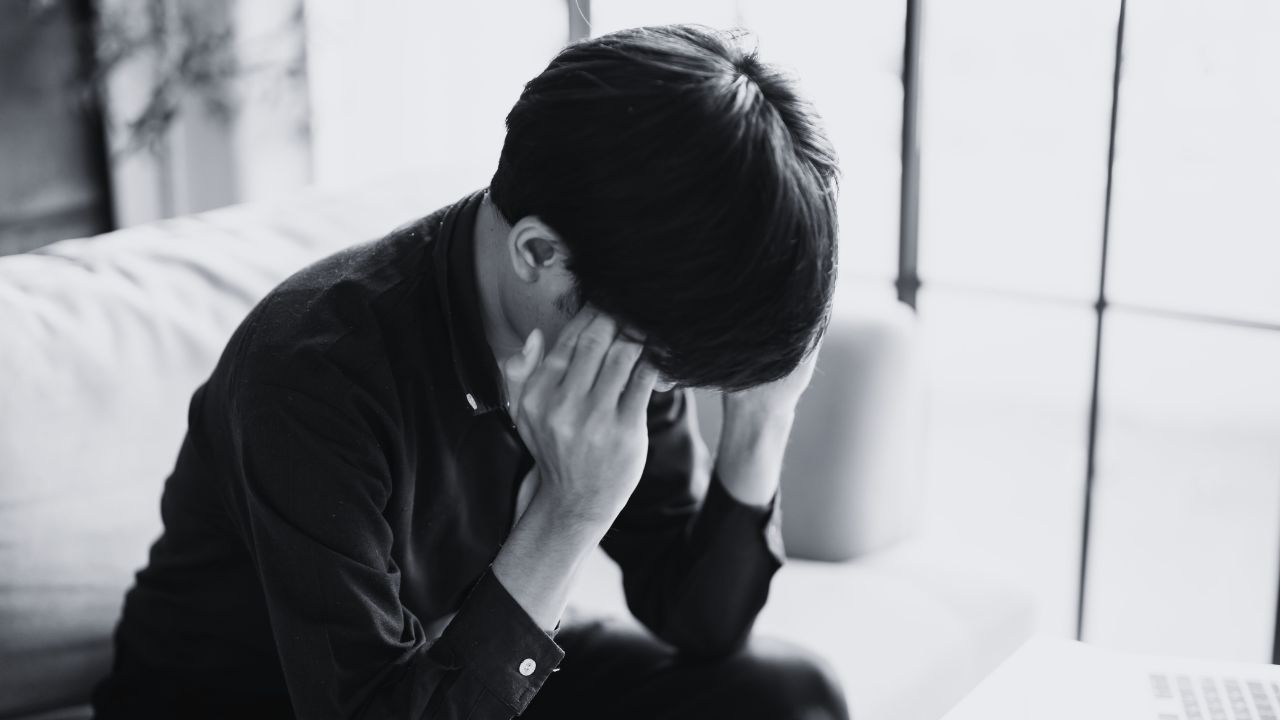
In today’s fast-paced world, hair problems are no longer only about genetics or the products we use. Increasingly, research shows that stress and sleep quality play a major role in hair health. Across Asia, where work culture is intense and digital life rarely switches off, concerns such as hair fall, thinning, and scalp sensitivity are becoming common among both men and women.
This article explores the connection between stress, sleep, and hair loss, and why the modern Asian lifestyle makes these factors even more important.
Understanding Hair Health: It Starts from Within
Most people respond to hair problems by changing shampoo, trying new serums, or booking salon treatments. While external care helps, true hair health begins internally.
Each strand of hair grows from a follicle that depends on:
- Proper blood circulation
- Balanced hormones
- Adequate nutrition
- A healthy nervous system
When stress and poor sleep disrupt these systems, hair growth weakens regardless of how good your hair products are.
How Stress Causes Hair Loss
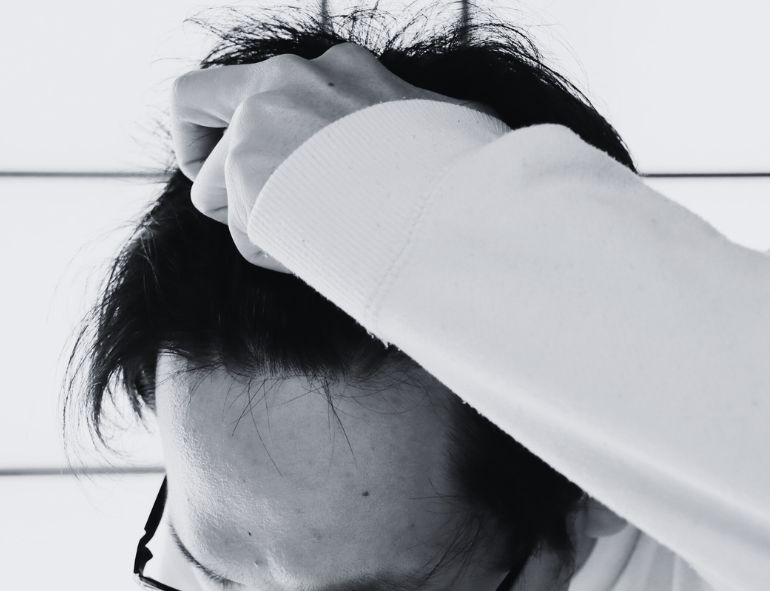
Stress triggers physical reactions in the body, not just emotional ones. When you are stressed, your body releases hormones such as cortisol and adrenaline. These hormones prepare the body for survival, but when they stay elevated for long periods, they begin to damage normal biological functions.
One of the most common results is telogen effluvium, a condition where stress pushes large numbers of hair follicles into the resting phase, leading to sudden and excessive shedding. Stress also reduces blood flow to the scalp and increases inflammation, which further weakens hair growth over time.
The Role of Sleep in Hair Health
Sleep is the body’s natural repair system, and it plays a crucial role in healthy hair growth. During deep sleep, cells regenerate, hormones rebalance, and tissues repair themselves — a process that is especially important for hair follicles, which are among the most active cells in the body. When sleep quality is poor or irregular, melatonin and growth hormone levels drop while cortisol levels rise, disrupting the hair growth cycle and weakening the structure of each strand. Over time, this leads to hair that becomes dry, dull, fragile, and increasingly prone to breakage, thinning, and excessive shedding, making poor sleep one of the most underestimated causes of long-term hair problems.
The Asian Lifestyle Factor
Across many Asian cities, lifestyle patterns share common characteristics such as long working hours, high career pressure, constant digital connection, and irregular daily routines.
In cities like Bangkok, Tokyo, Seoul, Singapore, and Hong Kong, people often experience chronic mental fatigue. Work continues beyond office hours, keeping the nervous system in a permanent state of alert. This prevents true relaxation and leads to burnout, insomnia, hormonal imbalance, and eventually visible signs such as hair fall and scalp problems.
Digital Overstimulation and Blue Light
One of the biggest modern threats to sleep quality is screen exposure. Smartphones, tablets, and laptops emit blue light, which suppresses melatonin production.
Excessive screen use before bed can:
- Delay sleep onset
- Reduce sleep depth
- Increase mental fatigue
This directly interferes with the biological processes responsible for healthy hair growth.
Diet, Stress, and Hair Health in Asia
Under stress, people often skip meals or rely on processed food and caffeine. While Asian cuisine is traditionally nutrient-rich, modern habits have introduced more fast food and sugary drinks.
Hair growth depends heavily on nutrients such as:
- Protein
- Iron
- Zinc
- Omega-3
Without these, hair growth slows down and shedding increases, no matter how good external treatments are.
Emotional Stress and Hair Confidence
In many Asian cultures, hair represents youth, beauty, and personal identity. Thick, shiny hair is associated with health and attractiveness.
Hair loss often affects self-esteem and emotional well-being. People become more self-conscious, which increases stress levels and creates a psychological loop that worsens the condition.
Signs Your Hair Is Affected by Stress and Sleep
Lifestyle-related hair problems often appear suddenly rather than gradually, making them easy to link to changes in daily routine or emotional health. When stress levels are high and sleep quality is poor, the body shifts into survival mode, reducing energy for hair growth and scalp repair. Common warning signs include sudden excessive hair fall, thinning at the crown or temples, an oily scalp with dry ends, increased scalp sensitivity or itchiness, and a noticeable loss of natural shine and volume. If these symptoms appear after a stressful period or prolonged sleep problems, lifestyle factors are very likely the main cause rather than genetics or age.
How to Improve Hair Health Naturally
Restoring hair health does not require extreme treatments or complicated routines. The most effective improvements come from consistent daily habits that support the body from within. Prioritizing better sleep routines helps rebalance hormones, while stress management lowers cortisol levels that interfere with the hair growth cycle. Balanced nutrition provides essential nutrients needed for strong hair structure and healthy follicles. Alongside these internal changes, gentle hair care — such as avoiding tight hairstyles, excessive heat styling, and harsh chemical products — helps protect already weakened hair and supports long-term recovery.
Traditional Asian Wisdom and Modern Science
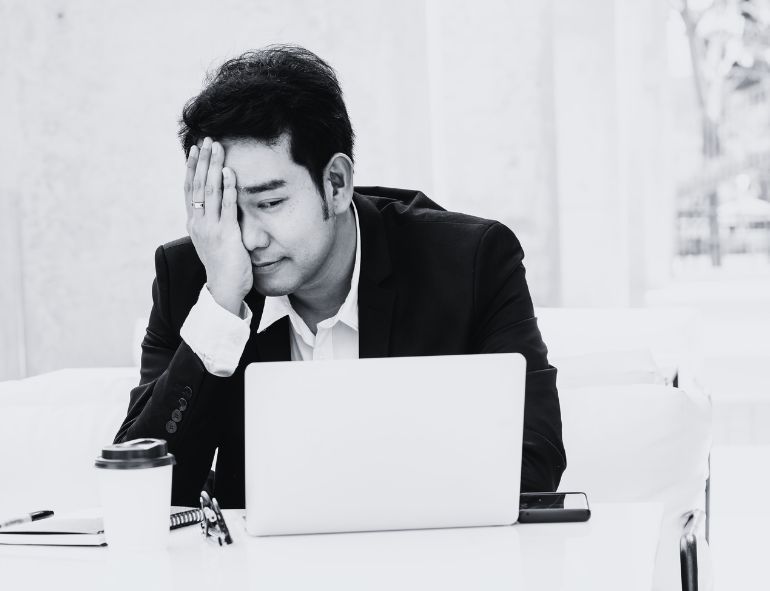
Traditional Asian health systems already recognized the connection between internal balance and hair. Traditional Chinese Medicine links hair to kidney and liver energy, Ayurveda associates hair with life force, and Thai and Japanese wellness traditions emphasize massage and relaxation.
Modern science now confirms what these systems taught for centuries: stress and sleep are central to beauty and physical health.
Hair as a Health Indicator
Hair is not just a cosmetic feature — it is a powerful indicator of your overall health. Changes in hair texture, thickness, or shedding patterns often reflect what is happening inside the body. In many cases, persistent hair problems are early warning signs of deeper internal imbalances, such as chronic stress, hormonal disruption, nutritional deficiencies, and emotional burnout.
When the body is under prolonged pressure, it redirects energy away from non-essential functions like hair growth and toward survival systems. As a result, hair becomes thinner, weaker, and more prone to falling out.
Rather than simply trying to hide hair loss with products or styling, it should be seen as a message from the body — a signal that it is time to restore balance, improve lifestyle habits, and support internal health. Healthy hair does not begin on the scalp; it begins with how well the body is cared for as a whole.
Conclusion: A New Approach to Hair Care in Asia
In the modern Asian lifestyle, hair loss is often treated as a surface-level problem. People search for faster treatments, stronger products, and more advanced procedures, hoping for quick results. But real change does not start in a bottle or a clinic. It starts in daily life.
Hair quietly records how we live. It reflects how well we sleep, how deeply we rest, how constantly we worry, and how gently we treat ourselves. When stress becomes normal and exhaustion becomes routine, hair is one of the first systems to show the consequences.
Perhaps the future of hair care in Asia is not about doing more, but about doing less. Less rushing, less screen time, less pressure, and more space for rest and recovery. Because when the body feels safe, balanced, and supported, healthy hair is not something that needs to be forced.
It simply grows.