



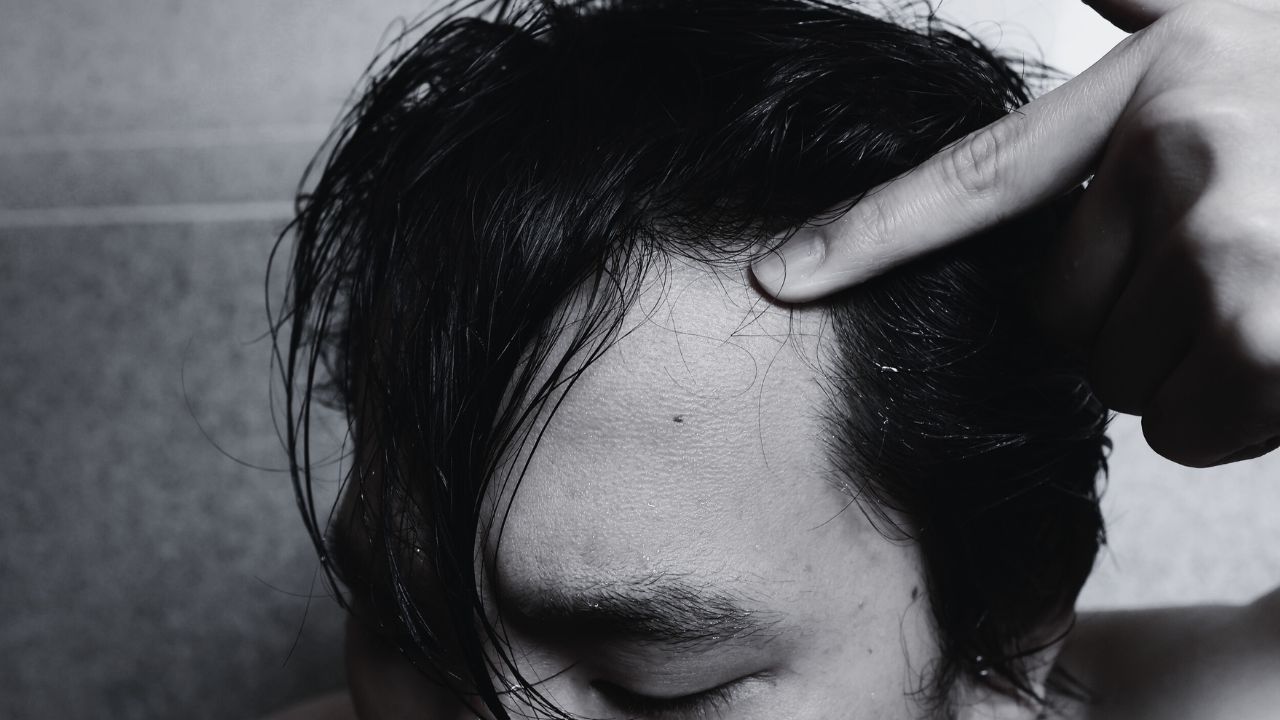
When it comes to men’s grooming, most people focus on what they can see—hairstyles, haircuts, beard trims, and styling products. But the true foundation of great hair starts where most people rarely look: the scalp.
For Asian men in particular, scalp health plays a critical role in hair quality, growth, and long-term appearance. From dealing with oily roots in humid climates to preventing thinning hair and dandruff, understanding your scalp is one of the smartest grooming investments you can make.
In this guide, we’ll break down everything you need to know about scalp health, why it matters, common scalp problems among Asian men, and how to build a simple but effective routine for healthier hair.
Why Scalp Health Matters More Than You Think
Your scalp is essentially an extension of your skin. Just like your face or body, it needs proper cleansing, hydration, and care. The scalp contains thousands of hair follicles, oil glands, sweat glands, and nerve endings. When the scalp is healthy, hair grows stronger, thicker, and shinier.
When scalp health is neglected, problems start to appear:
- Hair becomes weak and thin
- Excess oil causes greasy roots
- Dandruff and itchiness develop
- Hair loss becomes more noticeable
In short, you cannot have good hair without a healthy scalp.
Unique Scalp Challenges for Asian Men
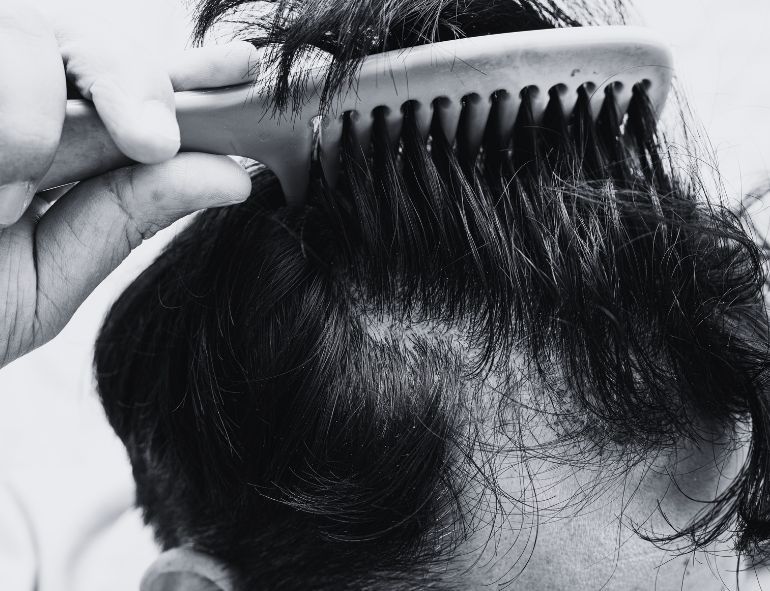
Asian hair and scalp have specific characteristics that make proper care even more important.
Thicker Hair Strands
Asian men usually have thicker individual hair strands compared to other ethnic groups. While this gives volume and structure, it also means:
- Product buildup happens more easily
- Dirt and sweat get trapped faster
- Oil spreads quickly from scalp to ends
Oilier Scalp
Many Asian men experience higher sebum (oil) production. This is especially common in hot and humid regions like Southeast Asia.
An oily scalp can lead to:
- Clogged follicles
- Acne on the scalp
- Increased hair shedding
Humidity and Pollution
Living in urban Asian cities exposes the scalp to:
- Air pollution
- Heat and sweat
- Hard water
These factors weaken the scalp barrier and contribute to inflammation, dandruff, and hair thinning.
Common Scalp Problems in Asian Men
Understanding common scalp problems is the first step toward building a healthier grooming routine. Many Asian men experience similar issues due to genetics, climate, lifestyle, and grooming habits. Recognizing these conditions early can help prevent long-term damage to both the scalp and hair.
Dandruff and Flaky Scalp
Dandruff is one of the most widespread scalp concerns among men. It is often caused by a combination of fungal imbalance, dry or irritated skin, and unsuitable shampoo products. When the scalp becomes imbalanced, dead skin cells shed more rapidly than normal, forming visible white flakes.
Common symptoms of dandruff include flakes on the shoulders, persistent itchiness, and redness or irritation on the scalp. If left untreated, dandruff can lead to increased sensitivity and discomfort over time.
Oily and Greasy Scalp
An oily scalp is another frequent issue, especially in humid environments. Excess oil makes hair feel dirty even shortly after washing and can lead to flat, lifeless hairstyles. It may also cause unpleasant odor and acne around the hairline or scalp.
This condition is often triggered by harsh shampoos that strip natural oils, overwashing that disrupts oil balance, and constant touching of the hair, which spreads oil and bacteria across the scalp.
Hair Thinning and Hair Loss
Hair thinning and hair loss are commonly linked to poor scalp health. Scalp inflammation is a hidden factor that weakens hair follicles and disrupts natural growth cycles. When follicles are clogged or irritated, hair becomes thinner, grows more slowly, and sheds more easily.
Although genetics play a role, unhealthy scalp conditions can significantly accelerate hair loss if not addressed early.
Itchy or Sensitive Scalp
An itchy or sensitive scalp usually signals a damaged skin barrier. This can result from allergic reactions to hair products, frequent washing with strong cleansers, or exposure to poor water quality.
Men with sensitive scalps often experience tightness, burning sensations, or constant discomfort. Without proper care, sensitivity can progress into chronic irritation and inflammation.
The Science of Scalp Health and How to Build the Right Routine
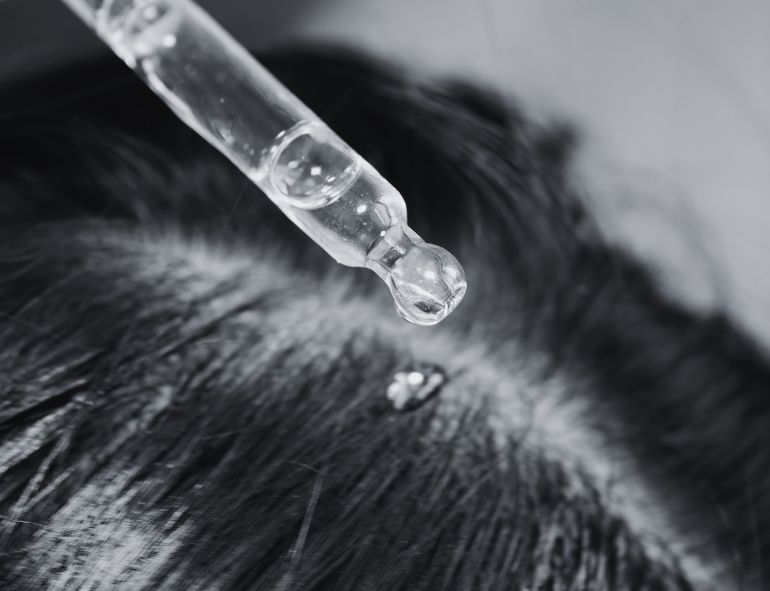
Your scalp has its own natural ecosystem known as the scalp microbiome. This system is made up of beneficial bacteria, natural oils, and protective skin layers that work together to keep the scalp balanced and healthy. When this balance is maintained, the scalp can regulate oil production, protect hair follicles, and support strong blood circulation for healthy hair growth.
When this ecosystem is disrupted, problems begin to appear.
The Difference Between a Healthy and Unhealthy Scalp
A healthy scalp maintains balanced oil levels, clean and open follicles, and good blood circulation. In contrast, an unhealthy scalp often develops clogged pores, inflammation, irritation, and weakened hair follicles. Over time, these conditions interfere with natural hair growth and lead to common problems such as dandruff, sensitivity, excessive oil, and hair thinning. Scalp care is not about stripping everything away, but about preserving and restoring this natural balance.
How to Build a Healthy Scalp Routine
You don’t need expensive products or complicated steps to maintain good scalp health. What matters most is consistency and choosing the right habits.
Choosing the Right Shampoo for Your Scalp Type
Your shampoo should always match your scalp type, not your hairstyle. Men with oily scalps benefit from lightweight or clarifying shampoos that remove excess oil without drying out the skin. Dry or sensitive scalps require gentle, sulfate-free formulas with soothing ingredients such as aloe vera or tea tree oil. For those dealing with dandruff, using an anti-dandruff shampoo two to three times per week is usually effective, as long as the scalp is not aggressively scratched.
Avoiding Overwashing and Oil Imbalance
Washing too often removes natural oils and forces the scalp to produce even more oil as a defensive response. Most men achieve the best balance by washing between two to five times per week, depending on scalp condition, climate, and daily activity. Finding the right washing frequency helps prevent both dryness and greasy buildup while maintaining a healthy scalp barrier.
The Benefits of Daily Scalp Massage
Scalp massage is one of the simplest and most effective habits for improving scalp health. Regular massage improves blood circulation, relaxes hair follicles, and helps nutrients reach the roots more efficiently. It also reduces stress, which plays a major role in hair shedding. You can massage using your fingertips, a scalp brush, or during oil treatments. Just three to five minutes per day is enough to support healthier hair growth over time.
Scalp Exfoliation: The Most Overlooked Step
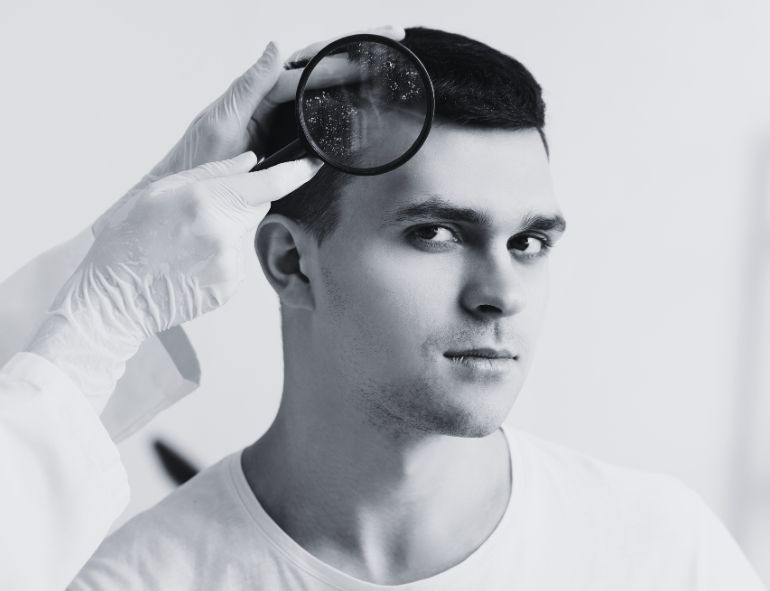
Just like facial skin, your scalp needs exfoliation to stay healthy and clear.
Why Scalp Exfoliation Matters
Exfoliation removes dead skin cells, styling product residue, and excess oil that build up over time. This process helps unclog hair follicles, improves hair texture, and reduces dandruff and itchiness. Without exfoliation, even regular shampooing may not fully cleanse the scalp.
How Often Should You Exfoliate Your Scalp?
Oily scalps benefit from exfoliation once a week, while dry or sensitive scalps usually need it only once every two weeks. It is important to use gentle scalp scrubs and avoid harsh friction, which can damage the skin barrier and increase sensitivity.
The Role of Diet and Lifestyle in Scalp Health
Healthy hair truly starts from within. Poor nutrition often shows its effects on the scalp before it becomes visible in the hair itself. The scalp requires a steady supply of nutrients to maintain strong follicles, balanced oil production, and healthy skin renewal. Without proper nourishment, the scalp becomes dry, irritated, and more prone to inflammation and hair thinning. A diet rich in protein, omega-3 fatty acids, zinc, iron, and essential vitamins supports keratin production, improves circulation, and strengthens the scalp’s natural protective barrier. Hydration is equally important, as dehydration commonly leads to dryness, itchiness, and increased sensitivity.
Stress and Its Impact on Hair Growth
Stress is one of the most underestimated causes of poor scalp health. When the body experiences chronic stress, cortisol levels rise, directly interfering with hair growth cycles. Over time, this leads to increased hair shedding, inflammation of hair follicles, and slower regrowth.
“Stress doesn’t just affect your mind — it quietly rewrites your hair growth cycle.”
Mental well-being is closely linked to physical grooming. Regular exercise, quality sleep, and simple relaxation practices such as breathing exercises or meditation help regulate stress hormones and improve blood flow to the scalp. In this sense, mental health becomes an essential part of scalp care and long-term grooming.
Holistic Scalp Care for Asian Men: Products, Treatments, and Daily Habits
Scalp health is not maintained by a single product or treatment, but through a balanced approach that includes proper styling habits, natural care, professional support, and consistent daily routines. For Asian men, managing product use, lifestyle choices, and timely treatments is essential for preventing long-term scalp issues such as dandruff, irritation, and hair thinning.
Styling Products and Natural Remedies for Scalp Health
Hair styling products are not harmful by nature, but improper use is a common cause of scalp problems. Issues arise when heavy products are applied directly to the scalp, not washed out properly, or used in excess. Alcohol-based sprays can dry out the skin and weaken the scalp barrier over time, while thick waxes and pomades clog follicles and trap bacteria. To minimize damage, styling products should be applied mainly to the hair lengths rather than the scalp, and hair should always be cleansed thoroughly before sleeping.
Many Asian men also prefer natural approaches to scalp care, especially for maintaining balance and soothing irritation. Ingredients such as coconut oil help hydrate dry scalps, tea tree oil provides antibacterial protection, aloe vera calms sensitivity, and green tea offers antioxidant benefits. These remedies work best when used in moderation, as overuse of oils can clog pores and lead to excessive buildup. Natural treatments are most effective when combined with proper cleansing and consistent scalp care routines.
Professional Treatments, Daily Habits, and Long-Term Benefits
When scalp problems persist despite consistent home care, professional treatments can provide deeper solutions. Options such as scalp detox sessions, deep cleansing treatments, and laser therapy help improve circulation, remove stubborn buildup, and stimulate hair follicles. Sudden hair loss, severe dandruff, persistent itching, or pain on the scalp are signs that require professional evaluation. A dermatologist or trichologist can diagnose underlying conditions and recommend targeted treatments for long-term improvement.
Daily habits also play a powerful role in maintaining scalp health. Keeping pillowcases clean, using sanitized combs and brushes, avoiding extremely hot showers, and allowing hair to air dry occasionally all help protect the scalp barrier. At the same time, habits such as scratching the scalp, wearing tight hairstyles, excessive heat styling, or sleeping with wet hair weaken follicles and increase irritation. Over time, these small choices directly influence hair strength, density, and overall scalp comfort.
Ultimately, investing in scalp care delivers lasting results. Men who maintain a healthy scalp experience stronger hair, fuller appearance, reduced hair fall, and better styling outcomes. Beyond physical appearance, good grooming reflects discipline, awareness, and self-respect. Scalp health is not just about looking good — it is about building a sustainable grooming lifestyle that supports confidence, wellness, and long-term hair vitality.
Final Thoughts: Grooming Starts at the Roots
For Asian men, scalp health is not optional—it’s essential. The scalp is the foundation of everything related to hair: growth, thickness, shine, and long-term appearance.
You can use the best haircut, the most expensive products, and the trendiest styles, but if your scalp is unhealthy, your grooming will always be limited.
Start simple:
- Use the right shampoo
- Massage your scalp
- Eat better
- Manage stress
Healthy scalp, healthy hair. And healthy hair is one of the most powerful tools in modern men’s grooming.
Because real style doesn’t start in the mirror—it starts at the roots.