



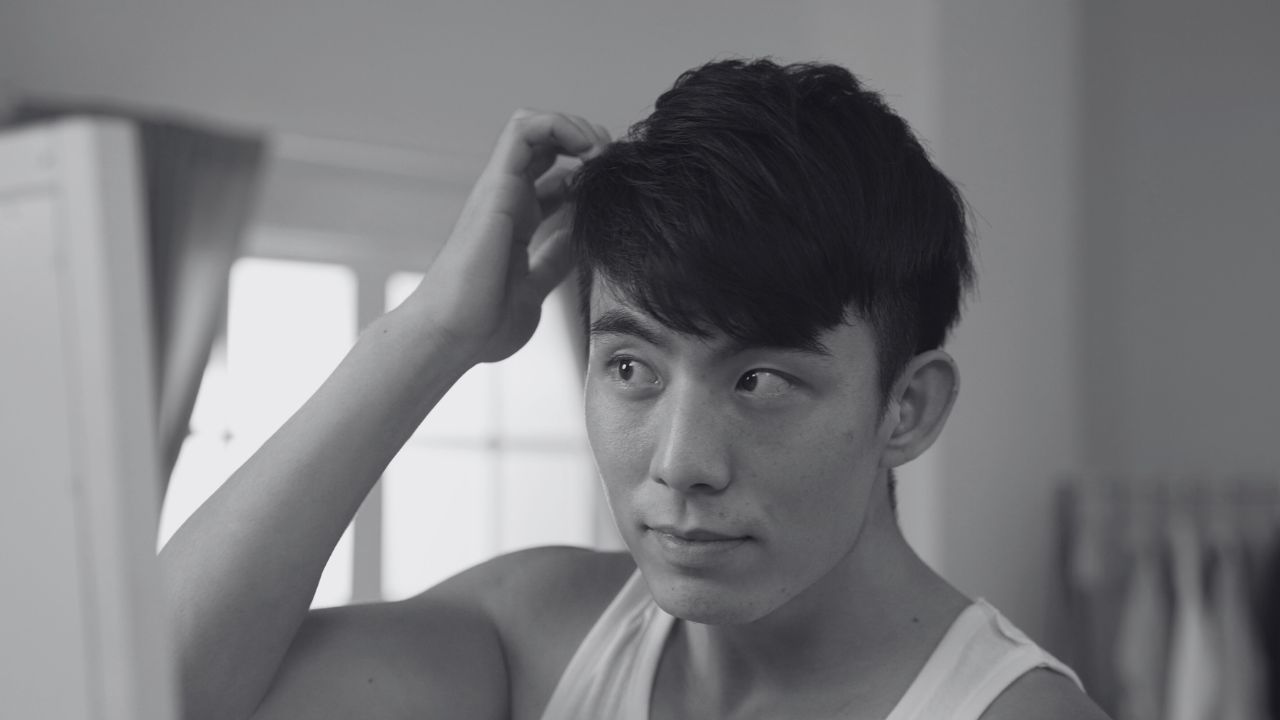
When it comes to men’s grooming, few things influence your overall appearance as strongly as your haircut. For Asian men, hair plays an even bigger role because of its natural characteristics—usually thicker strands, higher density, and a straighter texture compared to many other hair types. Yet many men still choose hairstyles based purely on trends, celebrities, or social media, without considering two essential factors: hair density and face shape.
Understanding how these two elements work together can completely change the way you look. The right haircut can make your face appear more balanced, your hair fuller or lighter, and your personal style more refined. The wrong one can highlight thinning areas, exaggerate facial proportions, and make daily styling frustrating instead of effortless.
This guide breaks down everything Asian men need to know about hair density, face shape, and how to choose a hairstyle that truly fits them.
Understanding Hair Density in Asian Men
Hair density refers to how many individual hair strands grow per square inch of your scalp, and it plays a major role in how your hairstyle looks and behaves. Most Asian men naturally fall into one of the following categories:
- High Density The scalp is barely visible and hair feels thick, heavy, and voluminous. This type holds structure very well but can easily look bulky or boxy if not properly layered.
- Medium Density Hair looks full but still manageable, with scalp only visible under strong light. This is the most versatile density and suits the widest range of hairstyles.
- Low Density Scalp is more visible and hair lacks volume, often mistaken for thinning or early hair loss. This type needs strategic cutting and styling to create the illusion of fullness.
Understanding your own hair density helps you avoid common mistakes, such as choosing overly heavy styles for thin hair or flat cuts for very dense hair. While density cannot be changed instantly, it can be managed effectively with the right haircut and products.
Understanding Face Shape for Better Hairstyle Choices
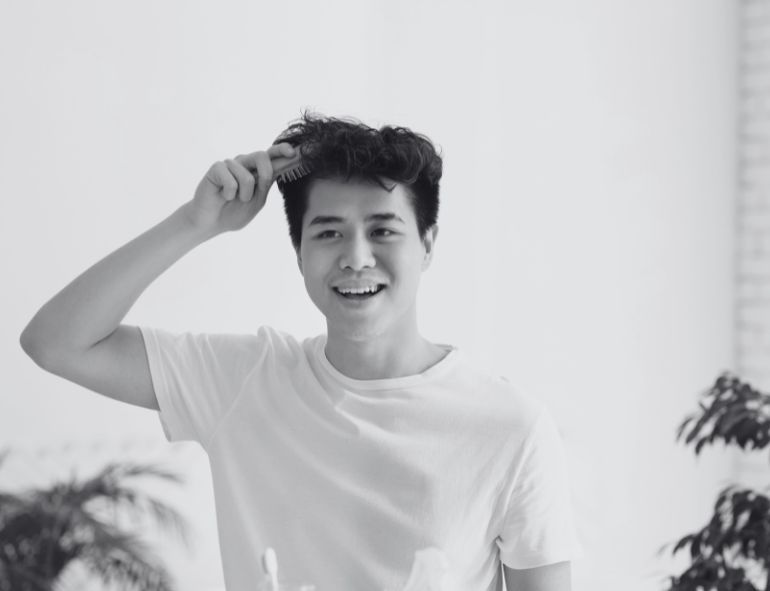
Face shape determines how your features are visually balanced, and it should always be considered before choosing a haircut. Most men fall into one of these main categories:
- Oval Face – Balanced proportions and slightly longer than wide. This is the most versatile shape and suits almost all hairstyles.
- Round Face – Similar width and length with softer angles. Needs height and structure to appear more defined.
- Square Face – Strong jawline and wide forehead. Looks best with clean, structured styles.
- Rectangular (Oblong) Face – Long and narrow. Should avoid excessive height and focus on balanced volume.
- Diamond Face – Narrow forehead and jaw with wide cheekbones. Needs softness and controlled volume.
- Heart Face – Wide forehead and narrow chin. Requires weight at the bottom to balance proportions.
When face shape is ignored, even a trendy haircut can make the face look disproportionate or awkward.
How Hair Density and Face Shape Work Together
The real secret to choosing the best hairstyle lies in combining hair density with face shape, rather than treating them as separate factors. A style that looks perfect on someone else may fail completely on you if your density or facial structure is different. For example, a slicked-back undercut may look sharp on a man with high-density hair and a square face, but it can exaggerate thinning areas on someone with low density and a long face. Similarly, a textured fringe may balance a round face with medium-density hair, yet appear messy or too heavy on very dense hair.
When these two elements are aligned correctly, your haircut enhances your natural features instead of fighting them, making your overall appearance look more refined, intentional, and effortless.
Best Hairstyles by Hair Density and Face Shape
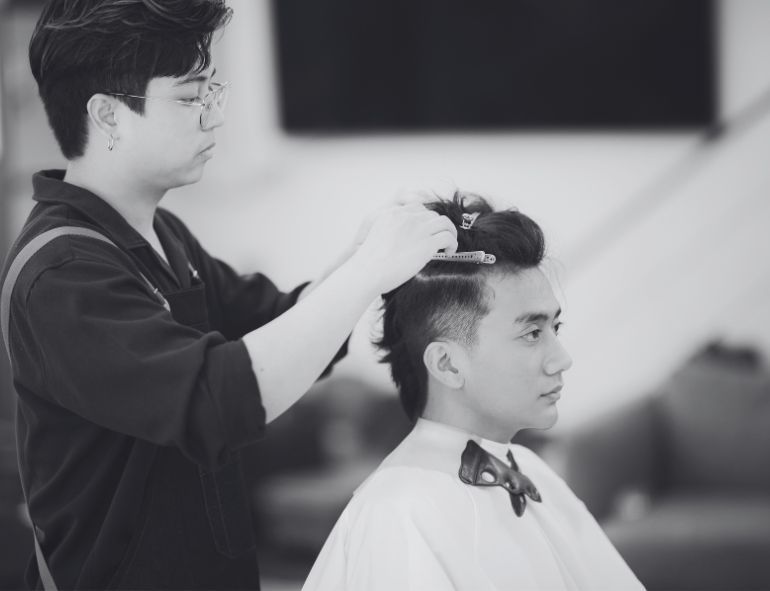
High vs Medium vs Low Density: Choosing the Right Style
For men with high-density hair, the main challenge is controlling bulk. Oval faces can wear almost anything, from textured quiffs and classic side parts to modern Korean two-block cuts. Round faces should focus on height with styles like pompadours or high fades, while square faces suit clean, structured cuts such as ivy league or short slick backs. Rectangular faces should avoid excessive volume on top and instead choose medium-length layered styles or side-swept fringes.
Medium-density hair offers the most freedom. Oval faces can experiment with curtain bangs, messy layers, or natural parts. Round faces benefit from textured crops and loose quiffs, square faces look good with soft pompadours or taper fades, and rectangular faces should focus on fringe styles or medium-length waves to maintain balance.
Low-density hair requires a more careful approach. Oval faces should stick to simple textured crops or light side parts. Round faces can use soft quiffs or gentle pompadours for controlled height. Square faces should avoid extreme contrasts and choose short layered cuts, while rectangular faces should avoid vertical volume and instead use fringe or medium layers to prevent the face from looking too long.
Common Hairstyle Mistakes Asian Men Make
One of the biggest mistakes is copying K-pop idols or celebrities without considering real-life hair density or maintenance needs. These styles often require professional blow-drying, thick hair, and frequent trims. Another common issue is ignoring thinning or low density and still choosing slick backs or undercuts, which expose the scalp even more. Overusing styling products is also a problem, especially heavy waxes that flatten thin hair or make thick hair greasy. Finally, many men choose trends over proportions, forgetting that trends fade but face shape remains the same.
Styling Tips Based on Hair Density
High-density hair should be styled with lightweight products and regular thinning at the barber. Blow-drying with medium heat helps control volume without making hair stiff. Medium-density hair works well with matte clays or creams and benefits from trims every four to six weeks. Low-density hair needs volumizing shampoo, upward blow-drying, and matte products to add texture without shine. Wet-look styles should generally be avoided, as they make thin hair appear even thinner.
The Advantage of Asian Hair Texture and Evolving Hairstyles
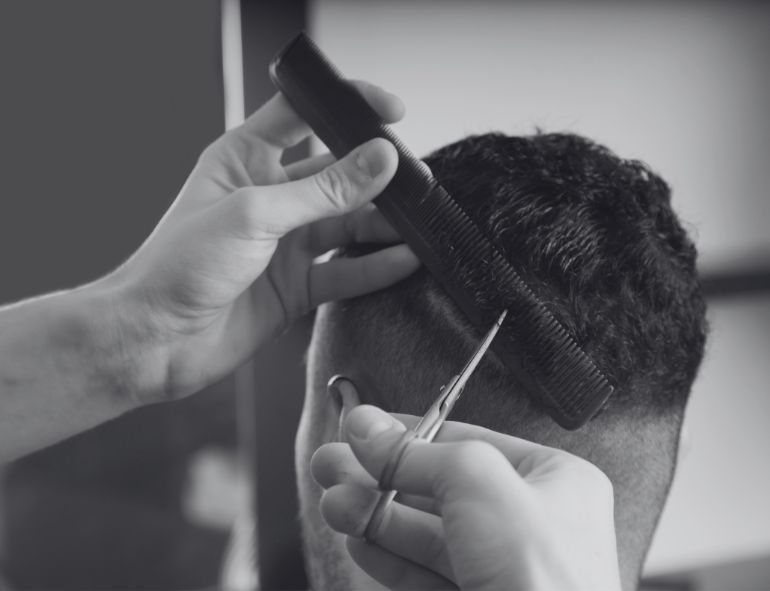
Asian hair is usually straighter, thicker per strand, and more resistant to curling, which makes it ideal for structured and modern hairstyles but also means it requires proper layering to avoid heaviness. This natural texture allows Asian men to maintain shape easily, yet it also demands regular refinement as hair density and growth patterns change over time. While face shape remains mostly the same, hair density often shifts due to age, stress, lifestyle, and health factors, with many men moving from high density in their early twenties to medium or low density in their thirties. As a result, the hairstyle that once worked perfectly may no longer be the most flattering, making it important to reassess your haircut every 12 to 18 months and adjust length, volume, and structure instead of sticking to outdated styles that no longer suit your current hair condition.
Final Thoughts: Your Best Haircut Is Personal
There is no single “best hairstyle for Asian men.” The best haircut is the one that suits your hair density, face shape, lifestyle, and willingness to maintain it. When these elements align, your hairstyle becomes part of your personal brand—not just grooming. Instead of chasing trends, focus on understanding your own features. Once you do, choosing the right hairstyle becomes simple, natural, and consistently flattering.