



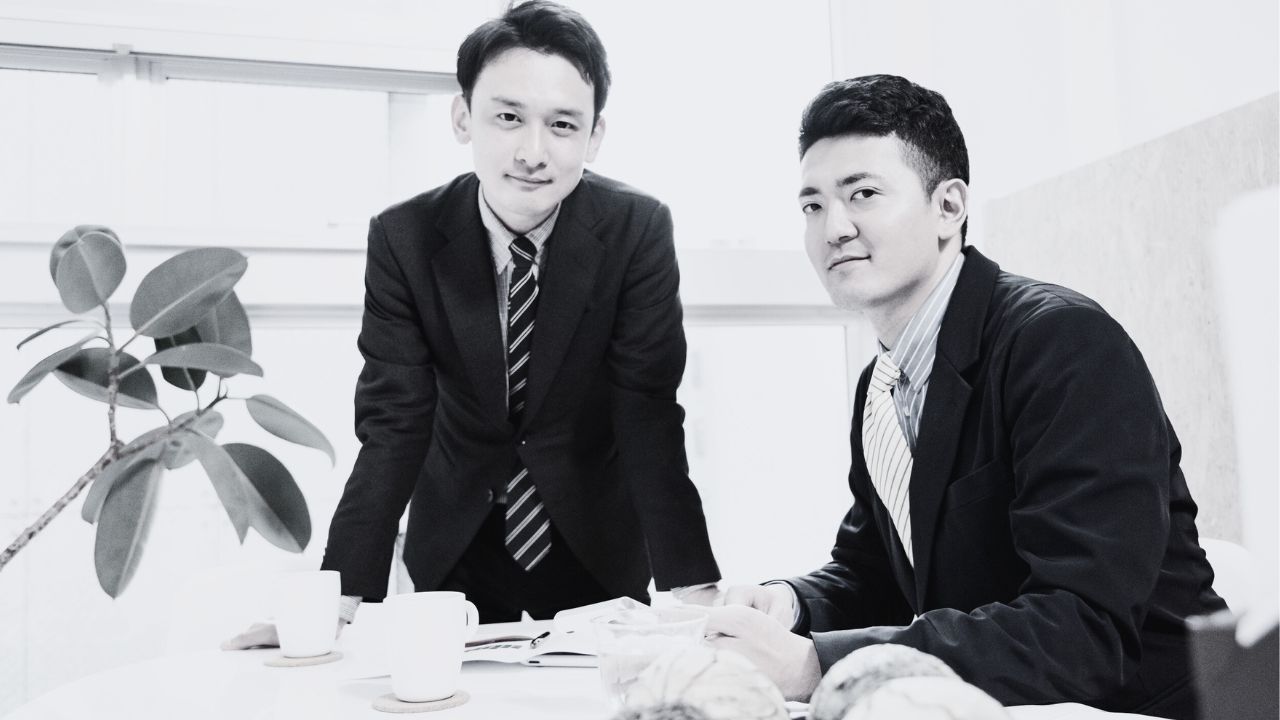
Masculinity in Asia is undergoing a profound transformation. Once defined by emotional restraint, rigid gender roles, and silent endurance, modern Asian masculinity is becoming more fluid, self-aware, and emotionally intelligent. From K-pop idols openly discussing skincare and mental health to corporate leaders promoting work-life balance and psychological safety, Asian men are reshaping what it means to be masculine in the 21st century.
This cultural shift reflects broader changes in social values, economic structures, and digital influence. Masculinity is no longer about fitting into a single mold—it is becoming a personal identity shaped by self-expression, wellness, and emotional awareness.
The Traditional Model of Asian Masculinity
For generations, masculinity across Asia was shaped by cultural frameworks rooted in Confucian values, patriarchy, and collectivism. Men were expected to be providers, protectors, and authority figures, prioritizing responsibility over emotional expression.
Traditionally, the ideal Asian man was associated with emotional restraint, financial stability, loyalty to family, physical discipline, and limited attention to personal appearance. While these values created social stability, they also placed intense psychological pressure on men. Emotional vulnerability was discouraged, mental health was rarely discussed, and personal struggles were often internalized in silence.
The Influence of K-Pop and Korean Media
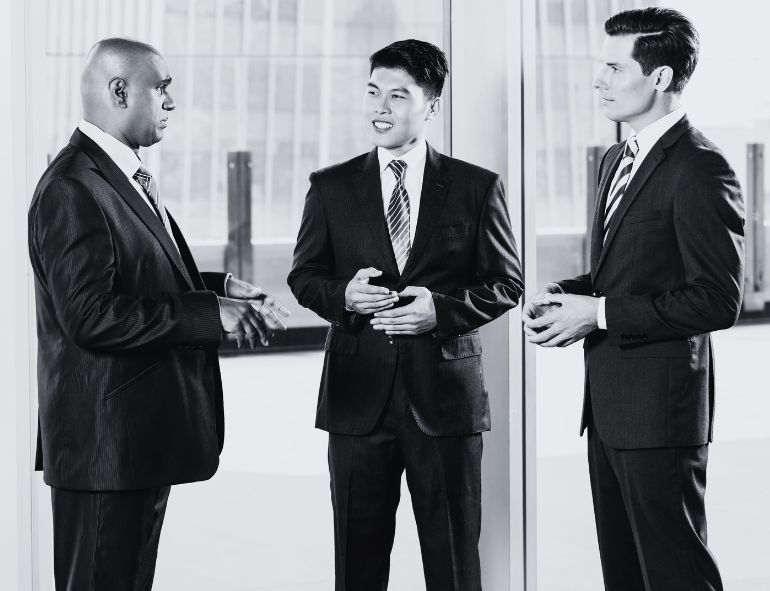
One of the strongest cultural forces reshaping Asian masculinity is K-pop and Korean entertainment. K-pop idols present a new male image that blends discipline with emotional openness, style with sensitivity, and ambition with vulnerability.
A New Masculine Archetype
Korean media has normalized male behaviors that were once considered unmasculine, such as skincare routines, emotional expression, romantic sensitivity, mental health awareness, and fashion-conscious self-care. These representations challenge outdated stereotypes and offer younger generations a healthier, more relatable model of masculinity—one that allows men to care about both success and well-being.
The Rise of Grooming and Self-Branding Culture
Men’s groominghas become a central pillar of modern Asian masculinity. Across cities like Seoul, Tokyo, Bangkok, Singapore, and Shanghai, men are investing heavily in skincare, haircare, fitness, and personal style.
Rather than vanity, grooming is now linked to personal branding. Modern Asian men increasingly see self-care as a reflection of confidence, professionalism, mental clarity, and social awareness. Head spas, facial treatments, scalp therapy, and wellness clinics are no longer niche services—they are part of mainstream male identity.
Corporate Masculinity and Emotional Intelligence
The corporate world is also redefining masculinity. Traditional leadership models based on authority, emotional distance, and hierarchy are being replaced by emotionally intelligent leadership.
From Authority to Awareness
Modern Asian leaders value empathy, communication, mental health support, work-life balance, team collaboration, and psychological safety. This shift reflects a deeper understanding that emotional intelligence improves productivity, reduces burnout, and builds healthier workplace cultures.
Masculinity in business is no longer about dominance—it is about emotional maturity and relational strength.
Mental Health and Male Vulnerability
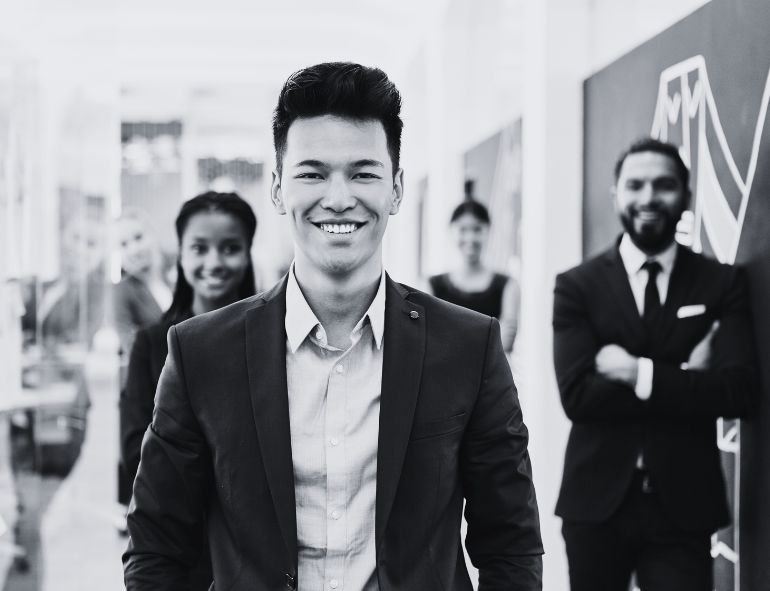
One of the most significant changes in modern Asian masculinity is the growing openness around mental health. Men are beginning to discuss stress, anxiety, depression, and emotional struggles more openly.
The End of Silent Strength
Digital platforms, social media, and public figures have played a major role in normalizing these conversations. Therapy, once heavily stigmatized, is becoming more socially acceptable in many Asian societies. Strength is no longer defined by emotional suppression, but by self-awareness and psychological resilience.
Globalization and Digital Influence
Asian masculinity is now shaped by global culture. Through social media, streaming platforms, and international education, men are exposed to diverse male identities from around the world.
This has created a hybrid masculinity that blends traditional Asian values with Western emotional openness, Scandinavian work-life balance ideals, and Korean and Japanese aesthetic masculinity. Young Asian men are no longer forced to choose between tradition and modernity—they are combining both to create personalized identities.
Changing Relationship Dynamics
The evolution of masculinity is also transforming romantic and family relationships. Traditional male roles focused on authority and financial provision, often neglecting emotional connection.
Today, many Asian men seek emotional intimacy, equal partnerships, open communication, shared responsibilities, and mutual personal growth. Women increasingly value emotional availability and psychological safety over rigid gender roles, leading to healthier and more balanced relationships.
The Cultural Tension Between Tradition and Change
Despite these shifts, modern Asian masculinity exists in tension with traditional expectations. Family pressure, cultural norms, and social roles still influence male identity.
Many men struggle with fear of being perceived as weak, pressure to meet financial expectations, cultural discomfort with vulnerability, and conflicting identity models. This tension reflects a society in transition. Masculinity is being renegotiated, not replaced.
Masculinity as Identity, Not Performance
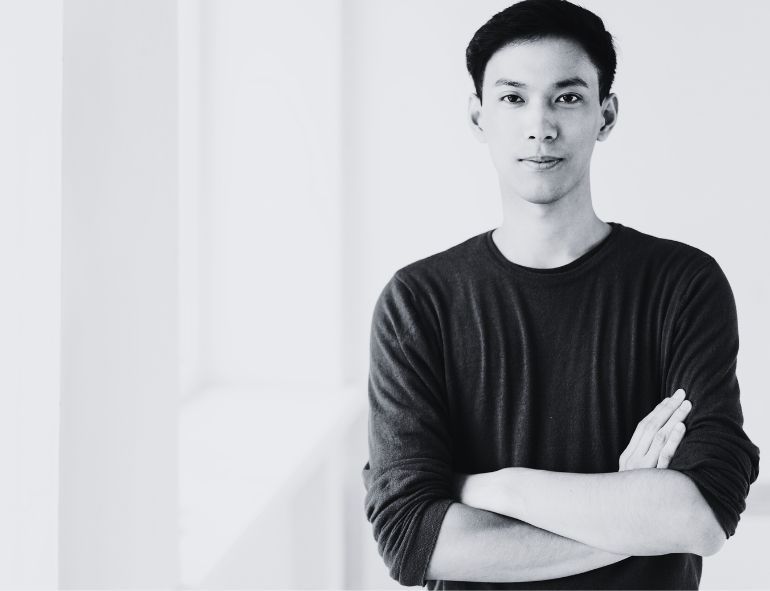
Perhaps the deepest change is philosophical. Masculinity is no longer something men perform for society—it is becoming something they define for themselves.
From Role to Reality
Modern masculinity emphasizes self-awareness, emotional honesty, mental resilience, personal values, and psychological well-being. Men are increasingly questioning traditional success metrics and redefining fulfillment on their own terms.
The New Asian Masculinity
There is no single model of modern Asian masculinity. It is diverse, flexible, and deeply personal.
It includes:
- The K-pop idol embracing emotional expression
- The CEO prioritizing mental health
- The entrepreneur valuing creativity over hierarchy
- The father choosing emotional presence over authority
- The student seeking therapy and self-growth
This new masculinity does not reject tradition—it expands it. Discipline, respect, and ambition remain important, but they are now balanced with empathy, vulnerability, and self-understanding.
The Future of Masculinity in Asia
Asian masculinity is not becoming weaker—it is becoming wiser.
It recognizes that strength includes softness, leadership includes listening, success includes happiness, and confidence includes self-doubt. From K-pop stages to corporate boardrooms, Asian men are redefining masculinity not as a rigid role, but as a living, evolving identity.
Masculinity is no longer a cage. It is becoming a spectrum—one where men are finally allowed to be human.