



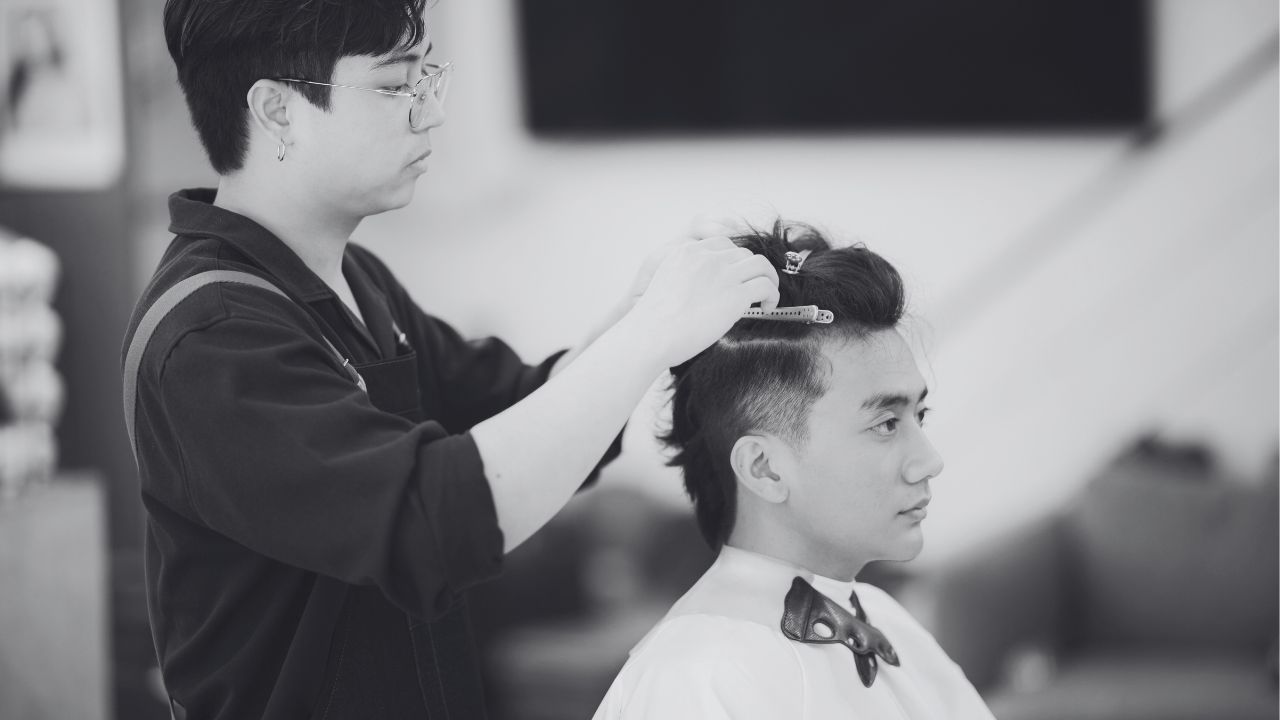
In today’s appearance-driven world, a good haircut is no longer just about hygiene or basic grooming—it is a key part of personal branding. For Asian men, hair plays an even more important role because of its unique texture, thickness, and growth pattern. One of the most common questions men ask is: How often should I really get a haircut? The answer depends on more than just preference. It is influenced by your hairstyle, hair type, lifestyle, career, and even climate.
This practical guide explains everything Asian men need to know about haircut frequency, helping you maintain a sharp look without wasting time or money.
Why Haircut Frequency Matters
Many men underestimate how much their haircut affects their overall image. But in reality, your hairstyle is one of the first things people notice about you. Whether at work, on a date, or in social situations, your hair sends strong signals about your personality and lifestyle.
Getting haircuts at the right interval helps you maintain the intended shape of your style, avoid awkward growth phases, look more professional, keep your hair healthier, and spend less time struggling to style it each morning. For Asian men, whose hair is usually thick and straight, skipping regular trims often leads to bulk, heaviness, and a messy appearance much faster than expected.
Understanding Asian Hair Characteristics

Before deciding how often to get a haircut, it is important to understand what makes Asian hair different from other hair types.
Asian hair strands are typically thicker in diameter. This means hair looks fuller and denser, but it also becomes heavy and bulky more quickly as it grows. Asian hair also tends to grow slightly faster than average, usually around one to one and a half centimeters per month. Most Asian men have straight or slightly wavy hair, which makes changes in length more noticeable, especially around the sides and neckline.
Because of these factors, Asian men often need haircuts more frequently than they realize in order to maintain clean lines and structure.
The General Rule for Haircut Frequency
Although there is no universal rule, most Asian men will look their best by getting a haircut somewhere between three and six weeks. This range works well for the majority of modern hairstyles and balances appearance with practicality.
Shorter styles usually need more frequent maintenance, while longer styles can go for extended periods with just minor trims. Instead of focusing only on time, it is better to think in terms of how well your hairstyle holds its original shape.
Most men who wear very short styles like buzz cuts, military cuts, or skin fades usually need haircuts every two to three weeks. These styles depend heavily on clean edges and sharp contrast, so even a small amount of growth can make them look untidy. Because Asian hair grows quickly and thickly, fades often lose their definition in less than two weeks.
Short styles such as undercuts, textured crops, and classic short back and sides usually require a haircut every three to four weeks. These are some of the most popular hairstyles among Asian men today. Once the sides start growing out, the shape collapses and the hair begins to look boxy and heavy.
Medium-length styles like Korean two-block cuts, comma hair, or soft side parts can usually last four to six weeks. These styles are designed to look natural and slightly grown in, which makes them more forgiving. They are ideal for students, creative professionals, or anyone who wants to look stylish without visiting the barber too often.
Long hair and man buns require the least frequent full haircuts, usually every eight to twelve weeks. However, regular trimming is still important to remove split ends, clean up the neckline, and maintain overall shape. Without trimming, long hair becomes frizzy, weak, and unpolished.
Lifestyle Factors That Influence Haircut Frequency
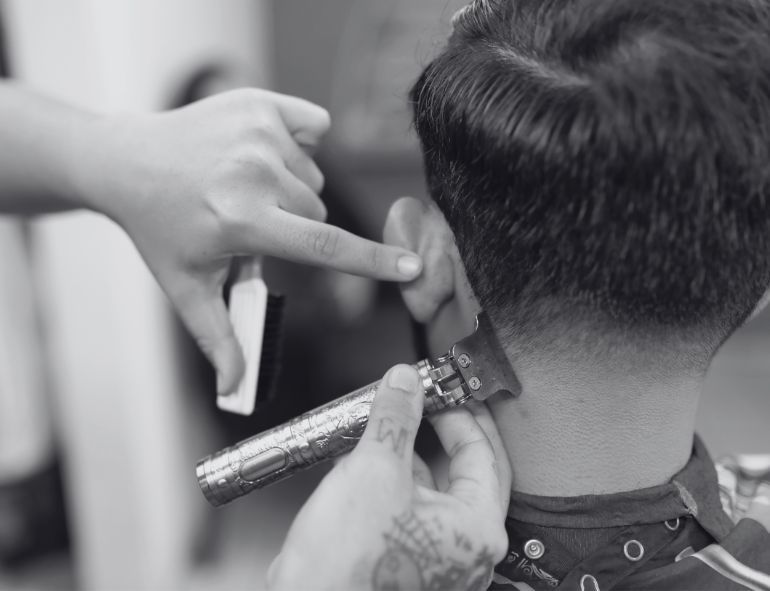
Your hairstyle is only one part of the equation. Lifestyle plays a major role in deciding how often you should cut your hair.
Your job is one of the biggest factors. If you work in a corporate office, finance, law, or any customer-facing role, grooming standards are higher and haircuts every three to four weeks are usually ideal. A neat haircut signals professionalism and reliability. If you work in creative industries, freelancing, or digital fields, you can often stretch your haircut schedule to five or six weeks or more.
Climate also matters. In hot and humid environments like Southeast Asia, hair tends to grow faster, scalp becomes oily more quickly, and thick hair feels uncomfortable. This means Asian men living in tropical countries often need more frequent haircuts compared to those in cooler climates.
Personal style preferences also play a role. Some men feel confident only right after a haircut, while others prefer their hair when it is slightly grown out. There is no wrong answer, as long as you feel comfortable and presentable.
Most men know they need a haircut when their hair no longer holds its shape, the sides look puffy, the neckline becomes fuzzy, styling takes more time than usual, or they start wearing hats more often. These are practical signs that are more reliable than counting days on a calendar.
Cutting your hair too often is not harmful, but it can be unnecessary and expensive. Waiting too long, however, usually leads to awkward growth stages and forces you into a more drastic cut later. For Asian men, going beyond eight weeks without any trimming often means losing the original style completely.
How to Make Your Haircut Last Longer
If you want to reduce the number of barber visits while still looking good, the smartest approach is to choose hairstyles that grow naturally, such as layered or textured cuts. Using proper styling products like clay or wax helps control volume and shape. Learning to clean up your neckline and sideburns at home can easily extend your haircut by one or two weeks.
Most importantly, communicate clearly with your barber. Ask for a haircut that still looks good after a month, not just one that looks perfect on day one.
Younger men usually need more frequent haircuts because their hair grows faster and trends change often. Men in their late twenties and thirties typically settle into a routine and can go longer between visits. Older men often experience slower growth and simpler styles, allowing them to stretch intervals even further.
From a financial perspective, it is usually better to invest in a high-quality haircut and maintain it with small trims rather than paying for frequent cheap cuts. A good haircut that grows well saves money, time, and effort in the long run.
The Real Answer for Most Asian Men
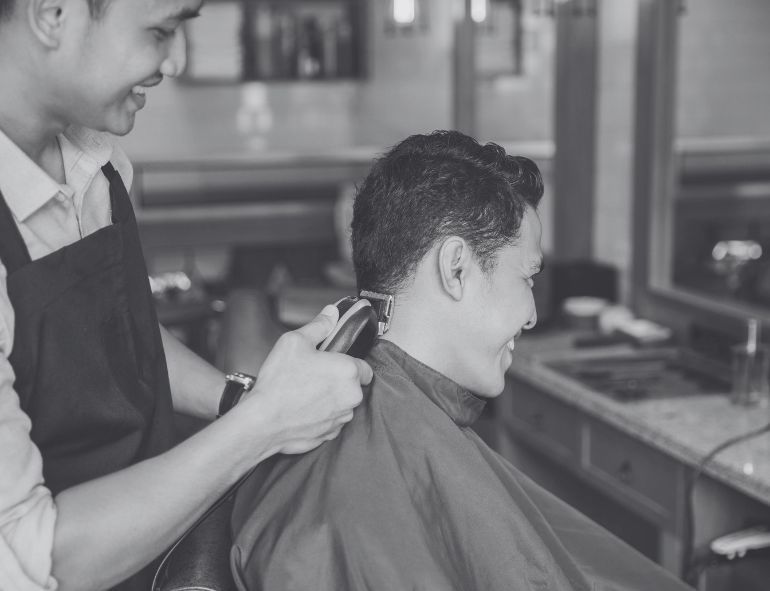
So how often should Asian men really get a haircut?
For most, the most realistic and practical answer is every three to six weeks, depending on hairstyle, job, and lifestyle. This range keeps you looking sharp, avoids awkward growth phases, and fits well with most professional and social situations.
Final Thoughts
There is no single perfect schedule for every man, but Asian men generally benefit from more regular haircuts due to thicker and faster-growing hair. The goal is not perfection, but consistency.
Finding your ideal haircut rhythm is one of the simplest ways to improve your overall image. It requires no expensive products, no extreme routines, and no complicated systems—just regular maintenance.
A good haircut does not just change how others see you. It changes how you carry yourself, how confident you feel, and how you show up in the world.