




For decades, grooming has been misunderstood as something shallow or self-obsessed. Many people still associate skincare, hair care, and personal style with vanity rather than necessity. This belief is especially common in cultures where self-neglect is mistaken for humility or simplicity.
In reality, grooming is not about chasing perfection or impressing others. It is about self-respect, health, confidence, and emotional well-being. Grooming reflects how we treat our own body on a daily basis. Just like eating nutritious food or getting enough sleep, grooming is a fundamental form of self-care.
When practiced with the right mindset, grooming becomes a powerful tool for personal development rather than a superficial habit.
What Does Grooming Really Mean Today?
Grooming is no longer limited to basic hygiene. In the modern world, grooming includes skincare, hair care, oral hygiene, body care, posture, scent, and even lifestyle habits such as sleep and stress management.
Today, grooming represents a holistic approach to personal maintenance. It is about keeping the body healthy, comfortable, and functional in a fast-paced environment. Modern grooming is not about hiding flaws, but about preventing problems before they arise.
From managing scalp health to protecting skin from pollution, grooming has evolved into a form of everyday wellness.
Grooming vs Vanity: Understanding the Key Difference
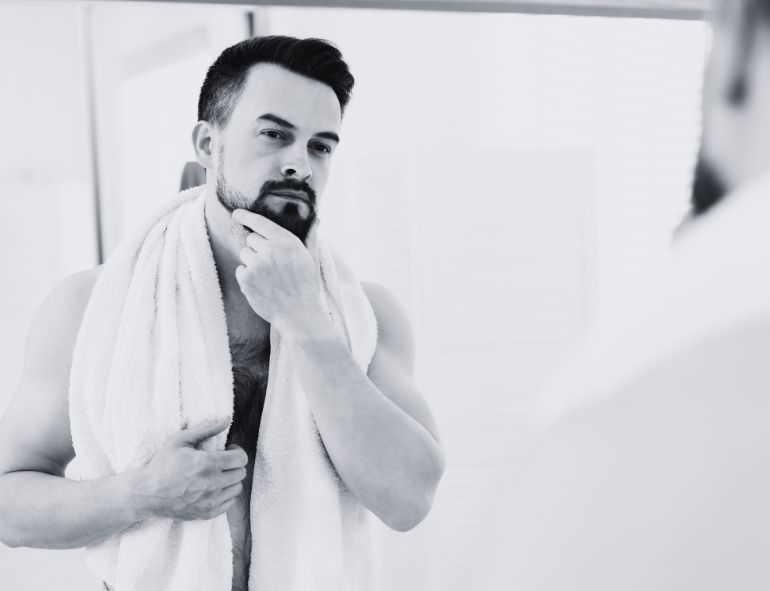
The biggest misunderstanding about grooming is confusing it with vanity. While they may look similar on the surface, the intention behind them is completely different.
Vanity is driven by external validation. It is about seeking approval, comparison, and perfection. Vanity focuses on how others see you.
Grooming, on the other hand, is driven by internal self-respect. It is about consistency, health, and comfort. Grooming focuses on how you treat yourself.
Vanity asks, “How do I look compared to others?” while grooming asks, “Am I taking care of myself properly?” This difference in mindset transforms grooming from a superficial habit into a form of emotional maturity.
The Psychological Benefits of Grooming
Grooming plays a significant role in mental health and emotional stability. Small daily routines like washing your face, trimming your hair, or maintaining clean clothes send positive signals to the brain.
These actions reinforce a sense of self-worth and control. Over time, grooming creates a positive psychological cycle that includes:
- Increased confidence and self-esteem
- Better emotional regulation
- Improved social interactions
- Stronger sense of personal identity
Grooming is not just physical—it shapes how you think and feel about yourself.
Grooming and Mental Health Connection
Grooming is often one of the first habits to disappear during periods of stress, anxiety, or burnout. This is not a coincidence. Neglecting personal care is frequently a symptom of emotional exhaustion.
Conversely, rebuilding grooming routines is often part of mental health recovery. Therapists regularly encourage simple self-care practices because they restore structure and routine. Even basic grooming habits such as showering regularly, brushing teeth, or changing clothes can reduce anxiety, improve mood, increase motivation, and create emotional grounding. In this sense, grooming becomes a form of emotional regulation.
Grooming Is Preventive Healthcare

One of the strongest arguments for grooming is its direct impact on physical health. Most grooming habits exist for practical medical reasons.
Skincare and Skin Health
Skincare helps maintain the skin barrier, prevent acne, reduce inflammation, and protect against environmental damage. Healthy skin is more resilient and less prone to infection or irritation.
Hair and Scalp Care
Hair and scalp care prevent dandruff, hair fall, clogged follicles, and scalp sensitivity. A clean scalp supports healthy hair growth and reduces long-term damage.
Oral and Body Hygiene
Oral and body hygiene protect against bacterial infections, gum disease, skin conditions, and unpleasant odors that affect both comfort and social confidence. Grooming, in this sense, is essentially a form of daily preventive medicine.
Grooming and Professional Image
In professional environments, grooming has a direct impact on how individuals are perceived. Well-groomed people are often seen as more reliable, confident, and competent, regardless of their actual skills.
This does not mean following beauty trends or expensive routines. It simply means maintaining a clean, polished, and presentable appearance.
First Impressions Matter
Your appearance is often the first form of communication in professional settings. Clean hair, neat clothing, and good hygiene create an immediate impression of discipline and awareness.
Grooming as Personal Branding
Grooming reflects how you manage yourself, which indirectly signals how you manage responsibilities. A consistent grooming routine supports your professional identity and personal brand.
Grooming signals self-management, which naturally influences trust and credibility.
Cultural Shift: Grooming as Modern Self-Respect
Across Asia and globally, grooming is undergoing a cultural transformation. Traditional beliefs that grooming is unnecessary or feminine are being replaced by a healthier narrative.
Modern masculinity now includes skincare, wellness, and emotional intelligence. Grooming is seen as discipline, not weakness. At the same time, women are redefining grooming away from social pressure and toward personal comfort, health, and emotional balance.
This cultural shift reflects a broader understanding that taking care of yourself is not selfish—it is responsible.
Grooming as a Daily Practice of Self-Discipline
Self-respect is built through consistency, not motivation. Grooming offers a simple way to practice discipline without pressure.
You do not need luxury products or complex routines. The real power of grooming lies in showing up for yourself every day, even when it feels unnecessary. Over time, daily grooming creates personal structure, emotional stability, a sense of control, and long-term self-trust. These small habits gradually shape identity and self-perception.
Minimal Grooming Is Still Powerful

One of the biggest myths about grooming is that it requires excess or luxury. In reality, minimal grooming is often the most sustainable approach.
A simple routine that includes cleansing your face, moisturizing, wearing sunscreen, keeping hair trimmed, and maintaining basic hygiene is enough for most people. Grooming is not about complexity—it is about consistency. The best grooming routine is the one you can maintain comfortably over time.
Grooming in the Digital Age
Social media has made grooming more visible than ever. While this has increased awareness and education, it has also created unrealistic expectations.
It is important to separate learning from comparison. Grooming should improve your quality of life, not create pressure or insecurity. Use digital platforms for guidance, but avoid chasing trends that do not suit your body, budget, or lifestyle. Real grooming is personal, not performative.
Why Grooming Is a Form of Self-Respect
At its core, grooming is a quiet promise you make to yourself. It is the decision to take care of your body even when no one is watching.
It is choosing to maintain your health, choosing to show up for yourself, and choosing long-term well-being over short-term neglect. Self-respect is not loud—it is expressed through daily actions.
Grooming is one of the simplest and most powerful ways to practice it.
Final Thoughts: Grooming Is a Relationship with Yourself
Grooming is not vanity. It is not about approval or perfection. It is about how you relate to your own body and mind.
It reflects discipline, awareness, emotional intelligence, and long-term thinking. When you treat grooming as self-respect, it stops feeling like effort and starts feeling like identity.
You are not grooming to look better for the world.
You are grooming because you deserve to take care of yourself.