



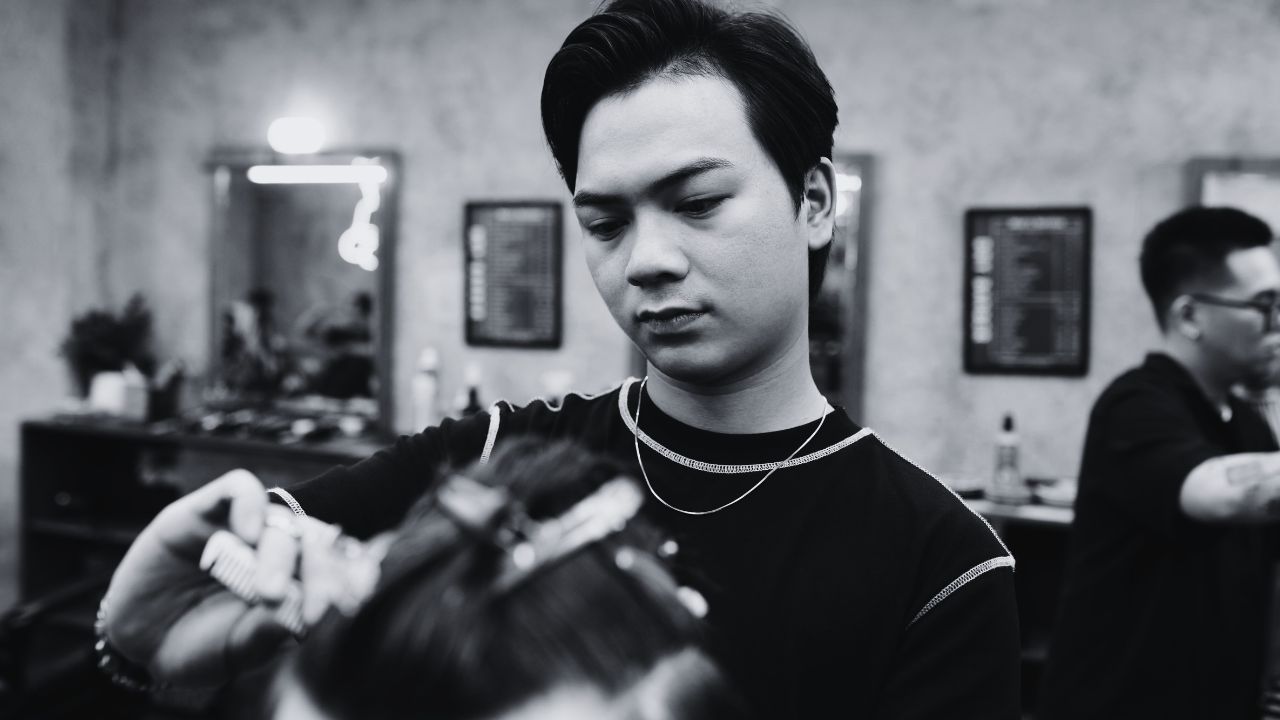
In 2025, grooming is no longer just about looking presentable — it has become a form of personal branding, mental wellness, and modern masculinity across Asia. From skincare routines inspired by K-pop idols to AI-powered grooming tools, Asian men are redefining what it means to take care of themselves in the digital age.
This cultural shift is transforming not only beauty standards, but also how men view confidence, success, and self-expression.
The Rise of Asian Men’s Grooming Culture in 2025
Asian men’s grooming culture has experienced rapid growth over the past decade, and in 2025 it has officially become a mainstream lifestyle movement. Across Asia, men are investing more time, money, and attention into personal care, redefining traditional masculinity and reshaping the global grooming industry.
From men’s skincare in Korea and Japan to haircare and fragrance trends in Southeast Asia and India, the grooming culture among Asian men reflects a powerful shift toward self-care, confidence, and personal branding. Grooming is no longer about surface-level appearance, but about identity, mental wellness, and professional presence.
What Is Asian Men’s Grooming Culture?
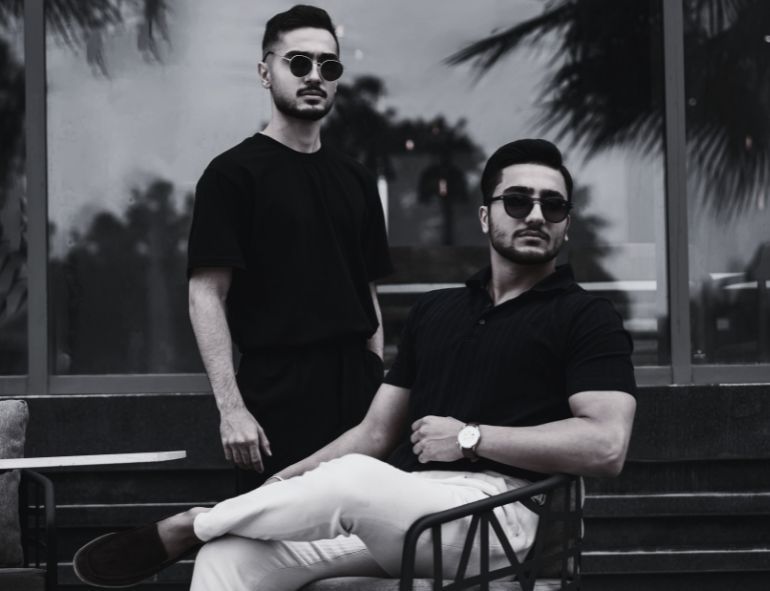
Asian men’s grooming culture refers to the evolving lifestyle in which men actively maintain and enhance their appearance through skincare, haircare, fragrance, and grooming routines.
Unlike traditional grooming habits focused only on hygiene, modern male grooming culture emphasizes:
- Skin health
- Scalp and hair maintenance
- Facial grooming
- Body care
- Image management
In 2025, grooming is no longer optional for men — it has become part of everyday life and long-term self-investment.
Men’s Grooming Market Growth in Asia
The men’s grooming industry in Asia is one of the fastest-growing consumer markets globally, driven by shifting cultural values and rising consumer awareness.
Key growth factors include rising middle-class income, urban professional lifestyles, digital culture and social media, celebrity and influencer impact, and the rapid expansion of e-commerce.
Asian men now spend significantly more on grooming products compared to previous generations. This has driven strong demand for men’s skincare, beard care, hair styling, fragrance, and wellness-based grooming services. The grooming industry in Asia is projected to continue expanding as men prioritize personal appearance, lifestyle quality, and self-image.
Redefining Masculinity Through Grooming
Male grooming trends in 2025 reflect a fundamental cultural shift in how masculinity is perceived. Modern Asian masculinity is no longer defined by emotional restraint or minimal self-expression. Instead, it emphasizes confidence, emotional awareness, and intentional self-care.
Men no longer associate grooming with vanity. Grooming now represents self-discipline, professionalism, and social intelligence. A well-groomed appearance is seen as a reflection of personal standards, not superficial concern.
This redefinition of masculinity is one of the strongest forces behind the rise of men’s grooming culture in Asia.
The Influence of K-Pop, Asian Celebrities, and Media
Asian entertainment has played a central role in shaping male grooming standards. K-pop idols, actors, models, and fashion influencers consistently promote clear skin, refined hairstyles, modern fashion, and subtle makeup.
These public figures normalize skincare and grooming for men, making it aspirational and socially acceptable. Many young men adopt grooming routines inspired by celebrities, accelerating the adoption of men’s skincare and beauty habits across Asia.
As a result, grooming is now linked with success, attractiveness, and social relevance.
The Role of Social Media in Men’s Grooming Trends
Social media has become the primary education platform for male grooming. Men now learn about grooming through skincare tutorials, influencer reviews, and product demonstrations on TikTok, YouTube, Instagram, and regional platforms.
Social media removes stigma and replaces it with community learning. Men feel more comfortable exploring skincare, haircare, and even makeup when they see real people sharing their experiences.
This digital environment has dramatically increased awareness of men’s skincare in Asia and encouraged experimentation with new grooming products.
Men’s Skincare in Asia: The Core of Grooming Culture
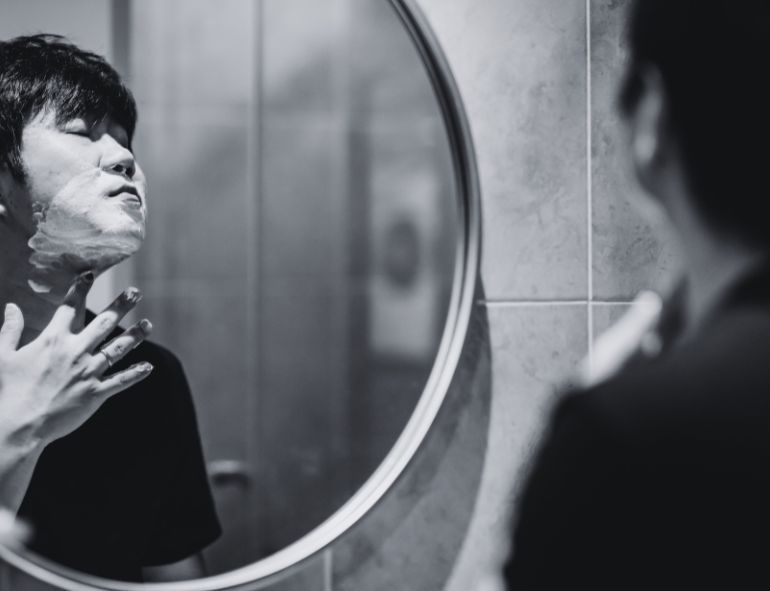
Men’s skincare is the foundation of modern grooming culture. Asian men increasingly understand that male skin is oilier, more exposed to pollution, and prone to early aging due to sun exposure.
Instead of treating skin problems reactively, men now focus on prevention. Daily cleansing, moisturizing, and sun protection are seen as essential habits. Anti-aging products and acne treatments are also widely used, even among younger men.
Men’s skincare in Asia now focuses on long-term skin health rather than quick cosmetic fixes.
Haircare and Scalp Care Trends for Men
Hair has become one of the strongest confidence factors for Asian men. Concerns such as hair thinning, scalp sensitivity, and hair loss have driven demand for professional haircare solutions.
Men are increasingly investing in scalp treatments, hair growth serums, and volumizing products. Haircare is no longer just about styling — it is treated as skincare for the scalp.
Healthy hair is now associated with youth, confidence, and professional credibility.
Fragrance and Body Grooming
Fragrance has become a powerful form of personal identity for Asian men. Men use fragrance to express mood, lifestyle, and professional image.
Daily fragrance usage is rising, especially among urban professionals. Body grooming is also gaining importance, with products such as body washes, exfoliators, deodorants, and body moisturizers becoming part of standard grooming routines.
The Rise of Male Makeup in Asia
One of the fastest-growing grooming categories is male cosmetics. Products such as BB cream, concealer, tinted lip balm, and eyebrow pencils are now widely used by men for work, weddings, photography, and social media.
Male makeup focuses on natural enhancement rather than dramatic transformation. It helps improve skin tone, reduce imperfections, and create a polished appearance.
This reflects a broader acceptance of makeup as a functional grooming tool, not a gendered product.
E-Commerce and the Digital Grooming Economy
E-commerce has played a major role in grooming adoption. Men prefer online grooming platforms because they offer privacy, convenience, personalized recommendations, and access to real reviews.
Subscription grooming services, online skin consultations, and direct-to-consumer brands have removed traditional barriers. Men can now explore grooming without social pressure or embarrassment.
The digital grooming economy is one of the strongest drivers of growth in the grooming industry in Asia.
Technology and Personalization in Grooming
Technology is shaping the future of grooming. Brands now use artificial intelligence for skin analysis, personalized product matching, and data-driven routines.
Smart razors, grooming devices, and diagnostic tools allow men to track progress and optimize results. Personalization is becoming a key expectation rather than a luxury.
Sustainability in Men’s Grooming
Asian men are becoming more conscious consumers. They increasingly prefer grooming brands that use clean ingredients, sustainable packaging, cruelty-free testing, and ethical sourcing.
Sustainability is no longer optional. It is part of brand trust and long-term credibility. Men now associate responsible consumption with modern masculinity and self-respect.
Why Asian Men’s Grooming Culture Will Continue to Grow
The rise of Asian men’s grooming culture is not temporary. It is driven by cultural acceptance, economic growth, digital education, lifestyle evolution, and mental wellness awareness.
Grooming is now connected to confidence, career success, social presence, and self-respect. This makes grooming a permanent lifestyle shift rather than a passing trend.
Future Trends in Asian Men’s Grooming
In the coming years, the grooming industry will move toward hyper-personalized routines, AI-powered skincare analysis, wellness-integrated grooming services, hybrid grooming clinics, and community-based learning platforms.
The future of men’s grooming in Asia is intelligent, holistic, and lifestyle-driven.
Conclusion
The rise of Asian men’s grooming culture in 2025 reflects a deep transformation in modern masculinity.
Men are embracing skincare, haircare, fragrance, and even cosmetics as essential life skills. Grooming is no longer about appearance alone — it is about identity, confidence, and self-care.
Asian men’s grooming culture is not just reshaping beauty standards. It is redefining how men see themselves in the modern world.