



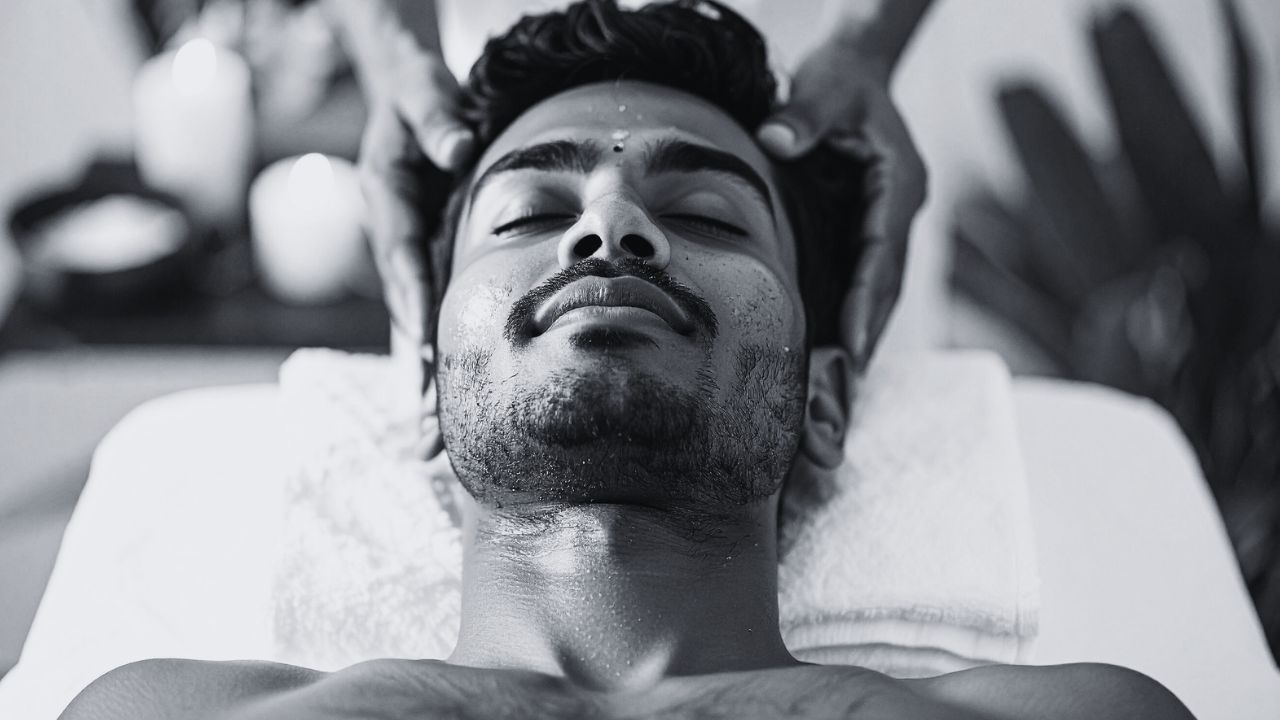
In the evolving world of modern wellness, few trends have grown as quietly yet as powerfully as head spa and scalp therapy. Once considered a niche service within luxury salons, head spa treatments are now becoming a regular part of grooming routines across Asia. What is particularly striking is that this movement is being driven largely by men. From Tokyo and Seoul to Bangkok and Singapore, Asian men are embracing scalp care not as an occasional indulgence, but as a meaningful investment in health, confidence, and long-term well-being.
This shift reflects something deeper than a passing beauty trend. It signals a transformation in how men relate to self-care, stress management, and personal identity in an increasingly demanding world.
Head Spa in Asia: The Rise of a New Wellness Trend
Head spa culture first gained visibility in Japan, where it was developed as a therapeutic extension of traditional hair washing and massage techniques. Japanese salons introduced scalp-focused treatments designed to cleanse, stimulate circulation, and calm the nervous system at the same time. Over the past decade, this concept has expanded throughout East and Southeast Asia, evolving into a distinct wellness category.
Today, head spa services are offered not only in hair salons but also in wellness centers, medical spas, and lifestyle retreats. The experience typically blends physical care with mental relaxation, creating a space where clients disconnect from digital overload and daily pressure.
From Hair Salon to Holistic Scalp Therapy Experience
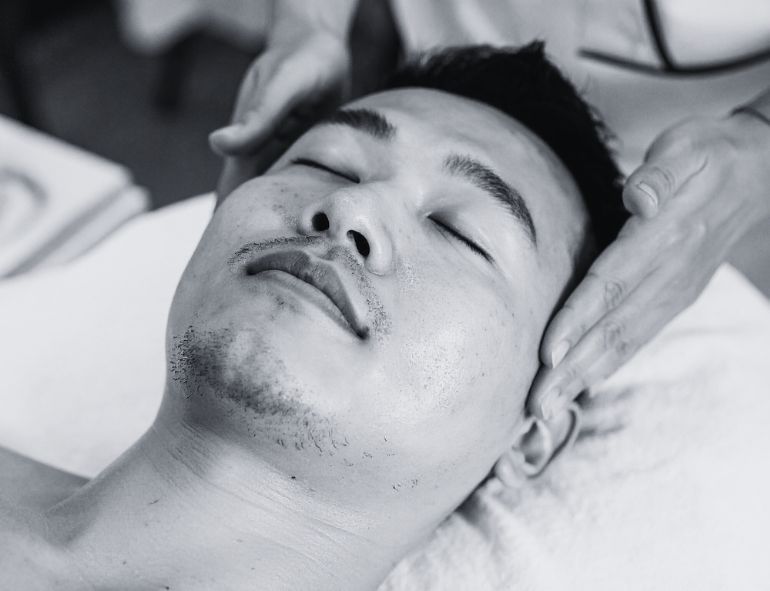
What makes a head spa different from a normal hair wash is its intention. The focus is not styling, but restoration. A typical session may include:
- Deep scalp cleansing and exfoliation
- Therapeutic massage to improve blood circulation
- Customized oils or serums based on scalp condition
- Aromatherapy and warm compresses for relaxation
For many men, this ritual becomes a rare moment of stillness in otherwise hectic schedules.
Why Scalp Health Is Essential for Men
The scalp is often overlooked in traditional grooming routines, yet it plays a critical role in overall hair health. In humid climates common across Asia, issues such as excess oil, buildup, irritation, and hair thinning are widespread. Scalp therapy addresses these concerns at their root rather than simply treating symptoms.
More importantly, scalp care aligns with a growing awareness that wellness starts from small, consistent habits. Just as skincare routines have become normalized, scalp care is now seen as part of maintaining the body in a preventive and mindful way.
Key Benefits of Scalp Therapy for Men
Men tend to be drawn to treatments that offer clear results. Scalp therapy delivers tangible benefits such as:
- Reduced dandruff and itching
- Improved blood circulation to hair follicles
- Stronger hair roots and less breakage
- A cleaner, more balanced scalp environment
These outcomes make head spa feel less like indulgence and more like functional self-maintenance.
Asian Men and Modern Masculinity
One of the most interesting aspects of this trend is how it reflects changing definitions of masculinity across Asia. Younger generations are moving away from rigid ideas that self-care is unmanly or unnecessary. Instead, there is a stronger emphasis on balance, mental health, and personal presence.
In countries like South Korea and Japan, male grooming has already been mainstream for years. Skincare, hair treatments, and even cosmetic procedures are openly discussed and socially accepted. Southeast Asia is now following the same path.
How Self-Care Is Redefining Male Grooming
Head spa fits perfectly into this cultural shift because it feels practical rather than superficial. It addresses stress, fatigue, and physical discomfort in a direct way. For many men, it becomes less about appearance and more about:
- Managing daily stress
- Preventing future health issues
- Feeling confident and composed
- Improving overall quality of life
This reframes grooming as a form of self-respect rather than vanity.
Stress, Urban Life, and the Demand for Relaxation
Asian cities are among the most fast-paced in the world. Long working hours, constant screen exposure, and high social expectations create chronic stress that accumulates silently. Head spa and scalp therapy provide a rare opportunity to slow down without guilt.
The physical act of scalp massage activates the parasympathetic nervous system, which helps the body shift out of fight-or-flight mode. Many clients report improved sleep, reduced headaches, and mental clarity after sessions.
Head Spa as a Stress Relief Method
Not everyone enjoys traditional meditation or yoga. Head spa offers a more passive form of mental reset that suits busy professionals. It allows the body to relax first, which naturally calms the mind afterward.
This is especially appealing to men who struggle to sit still but still crave moments of peace.
The Science Behind Scalp Therapy
While head spa culture is rooted in tradition, modern science supports many of its benefits. Increased blood circulation to the scalp helps nourish hair follicles and maintain a healthier growth environment. Reducing scalp inflammation can also improve skin barrier function.
Stress reduction itself has measurable effects on the body. Chronic stress disrupts hormonal balance and weakens immune response, both of which can negatively impact hair and skin health.
Why Men Trust Scalp Treatments
Men often prefer treatments that feel evidence-based rather than purely emotional. Scalp therapy sits at the intersection of:
- Physiological health
- Mental relaxation
- Preventive wellness care
This makes it easier for men to justify regular sessions as part of a healthy lifestyle.
Head Spa in Tokyo, Seoul, and Bangkok
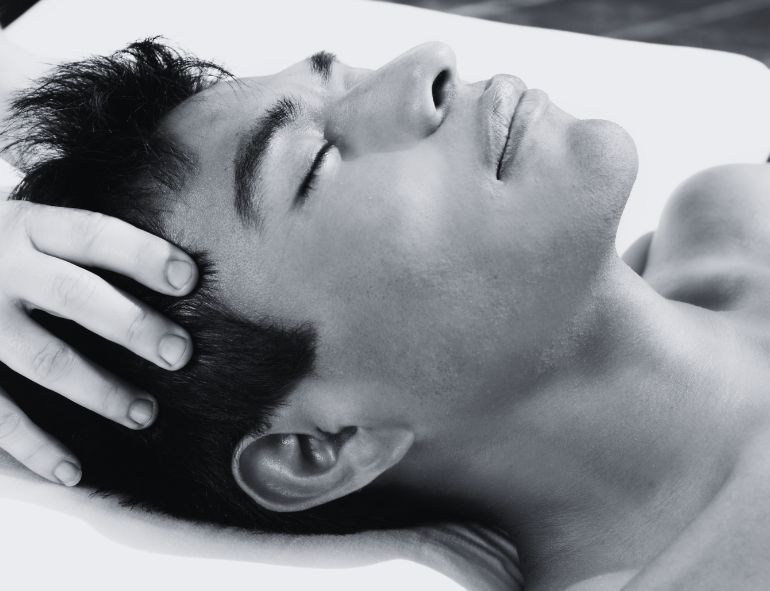
In Tokyo, head spa culture has reached a level of refinement that feels almost ritualistic. Salons focus on sensory experience, silence, and precise technique. Many clients treat their sessions as essential maintenance.
Seoul brings a more technological approach, with scalp diagnostics, personalized treatments, and data-driven recommendations.
Bangkok and other Southeast Asian cities blend traditional massage practices with modern spa concepts, creating experiences that are both therapeutic and culturally familiar.
How Different Asian Cities Approach Head Spa
Despite stylistic differences, all these cities share one thing: men are using head spa as a way to cope with modern life pressures.
The Business Growth of Men’s Scalp Care
The growing demand for scalp therapy among men is reshaping the wellness industry. Salons are designing male-friendly spaces, offering membership packages, and developing product lines focused on scalp health.
Men are no longer seeking quick fixes. They are investing in:
- Long-term wellness routines
- Preventive treatments
- Experiences that support both body and mind
This signals a shift from reactive grooming to proactive self-care.
The Future of Head Spa and Male Wellness
The rise of head spa culture among Asian men represents more than a grooming trend. It reflects a deeper transformation in how men understand success, health, and identity.
Wellness is no longer limited to fitness or diet. It now includes rest, touch, emotional regulation, and mindful rituals.
As Asian wellness culture continues to influence global markets, it is likely that head spa and scalp therapy will become mainstream for men worldwide.
Conclusion: Why Asian Men Are Redefining Self-Care
Asian men are leading the head spa movement not because it is fashionable, but because it fits their reality. In a world defined by speed, pressure, and constant connection, head spa offers something rare: controlled stillness with real benefits.
It is not about luxury. It is about sustainability, balance, and reclaiming control over one’s own body and mind. And in that sense, the true trend is not head spa itself, but a new form of masculinity that sees self-care as strength, not weakness.