




In today’s highly competitive and image-conscious society, grooming has evolved far beyond basic hygiene. For successful Asian men, grooming is no longer a luxury or a superficial concern—it is a strategic part of personal development, professional branding, and overall well-being.
From corporate executives in Singapore and Tokyo to entrepreneurs in Seoul and Bangkok, modern Asian men understand that how they present themselves influences not only how others perceive them, but also how they perceive themselves.Grooming has become a reflection of discipline, self-respect, and mental clarity.
Grooming as a Form of Personal Branding
First Impressions and Professional Identity
In Asia’s fast-paced urban culture, appearance plays a critical role in professional and social environments. Successful men recognize that grooming is part of personal branding—the silent language that communicates reliability, competence, and attention to detail.
Well-groomed professionals are often perceived as:
- More trustworthy
- More disciplined
- More confident
- More socially aware
- More capable leaders
In competitive industries such as finance, technology, hospitality, and media, first impressions carry real economic value. Grooming is not about vanity—it is about positioning.
Skincare as a Daily Discipline
Healthy Skin as a Success Signal
One of the most defining grooming habits of successful Asian men is a consistent skincare routine. Clear, healthy skin projects energy, stability, and professionalism in both physical and digital interactions.
Modern skincare habits typically include cleansing, moisturizing, and sun protection, while advanced routines may involve serums, exfoliation, and professional facial treatments. The objective is not perfection, but long-term maintenance and prevention.
Skincare has become as fundamental as fitness or nutrition—a non-negotiable part of daily self-care.
Hair, Style, and Personal Presence
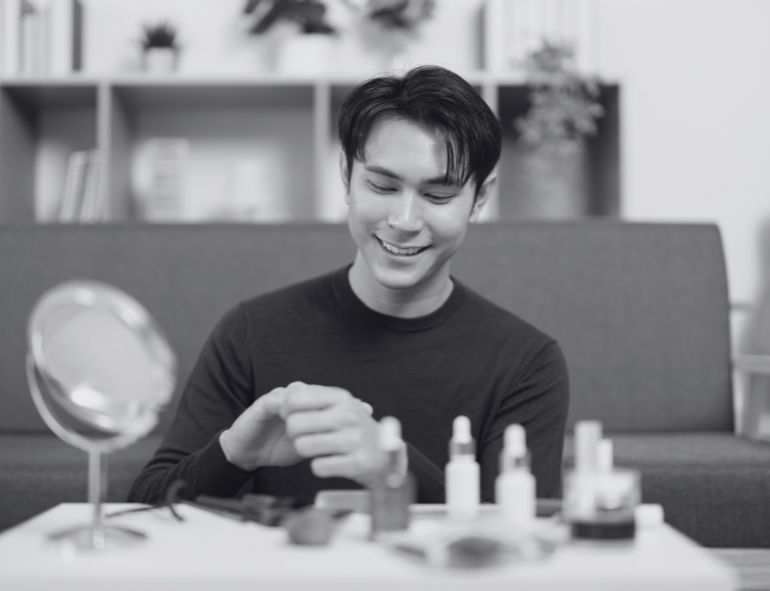
1. Hair and Scalp Care: The Foundation of a Professional Appearance
Hair remains one of the strongest visual markers of professional identity. For successful Asian men, regular haircuts, consistent scalp care, and targeted hair treatments are essential to maintaining a polished and youthful look. Scalp health is increasingly prioritized through head spa treatments, therapeutic massages, and anti-stress rituals, especially in grooming-forward cultures such as Japan, Korea, Thailand, and Singapore. Healthy hair communicates discipline, consistency, and emotional control—qualities closely associated with leadership and reliability.
2. Facial Hair and Shaving Rituals: Precision and Personal Style
Facial hair grooming further reinforces professional presence. Whether clean-shaven or bearded, successful men maintain deliberate routines aligned with their personal brand and workplace expectations. Precision trimming, daily shaving rituals, high-quality products, and post-shave care reflect strong attention to detail and personal standards. These grooming habits mirror how they approach their careers—with structure, intention, and consistency.
3. Fragrance and Personal Scent: The Invisible Signature
Scent adds a subtle yet powerful dimension to personal branding. Fragrance plays a significant psychological role in memory and perception, making it an effective but understated identity marker. Successful Asian men prefer light, refined scents that complement their personality and environment rather than overpowering fragrances. A well-chosen scent becomes part of personal presence—noticed without being announced.
4. Dressing with Intention: Style as an Extension of Grooming
Grooming does not end with skin and hair—it extends into wardrobe discipline. Successful men focus on fit, quality, and simplicity rather than chasing trends. Well-tailored clothing, clean silhouettes, and neutral color palettes communicate confidence, maturity, and professionalism. Clothing reinforces the message grooming sends: self-respect, awareness, and control over one’s image.
Wellness, Psychology, and the Future of Grooming
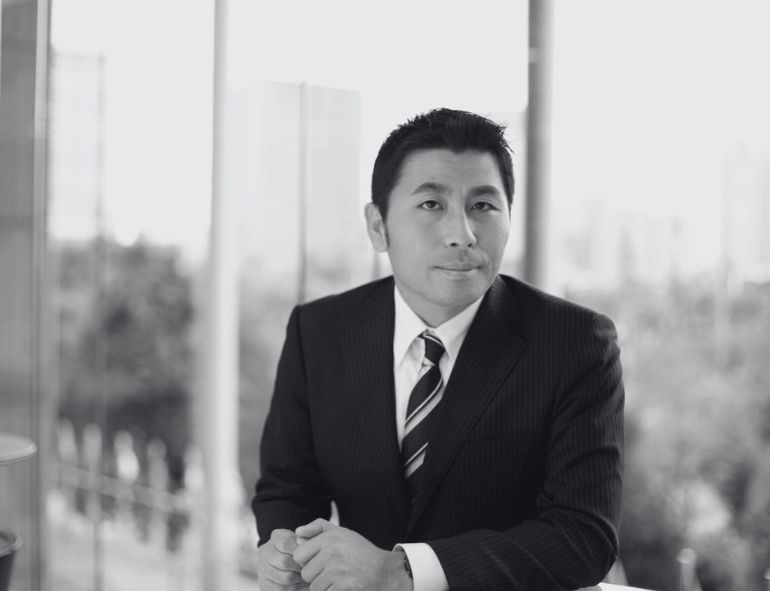
Modern grooming for successful Asian men is no longer limited to appearance alone. It has evolved into a holistic lifestyle system that integrates physical fitness, mental wellness, emotional discipline, and personal identity. Grooming now reflects how a man manages his energy, stress, mindset, and long-term health.
1. Grooming as Wellness and Psychological Discipline
Physical fitness forms the foundation of modern grooming culture. Successful men understand that posture, stamina, and mental clarity are shaped by physical condition. Regular exercise, quality sleep, and balanced nutrition are not pursued for aesthetics, but for sustainable performance, emotional regulation, and professional resilience. The body becomes a visible indicator of internal control.
Wellness and stress management extend this philosophy from the outside in. External appearance increasingly reflects internal balance, making psychological health a core part of grooming. Meditation, mindfulness, spa therapy, digital detox routines, and sleep optimization are now standard habits among high-performing Asian men. Wellness is no longer separate from grooming—it is grooming.
These routines also produce powerful psychological effects. Consistent grooming creates structure, emotional stability, and mental confidence. Men who maintain disciplined self-care habits often experience higher self-esteem, stronger emotional intelligence, and more effective communication skills. Grooming becomes a daily practice of self-mastery.
2. Grooming as Cultural Identity and Future Optimization
These shifts are deeply influenced by modern Asian culture. Korean aesthetics, Japanese minimalism, corporate professionalism, and global digital trends have normalized male self-care and reframed grooming as aspirational rather than superficial. Grooming is now associated with intelligence, emotional maturity, and social competence.
At a deeper level, grooming has become a form of identity rather than appearance. For successful Asian men, it is not about impressing others, but about aligning external habits with internal values. Grooming becomes a ritual of self-respect, emotional awareness, and personal discipline—reflecting how seriously a man takes his life and growth.
Looking ahead, grooming will continue to evolve through technology and personalization. AI skincare tools, biometric wellness tracking, and preventative aging programs will transform grooming into a system of holistic self-optimization. The future of male grooming in Asia is not about maintaining an image—it is about mastering the self.
Conclusion: Grooming as a Success Mindset
The grooming habits of successful Asian men reveal a simple truth: success is not only built in meetings and boardrooms—it is built in daily routines.
Grooming is not ego.
It is discipline.
It is awareness.
It is self-respect.
In a world where competition is intense and attention spans are short, how a man presents himself often speaks before he does.
Successful Asian men do not wait to feel confident before grooming.
They groom first—and confidence follows.